This post contains affiliate links.  Click here to see what that means.

Gelatin vs. Collagen – what’s the difference!?

If you’re just starting out on the AIP you might be a little confused by all the talk of collagen and gelatin … and wait … what about hydrolyzed collagen, collagen hydrolysate and collagen peptides! Oh my!

And then there’s additional confusion when some product names are less than straight forward. One example of this is the often recommended brand called Great Lakes Gelatin Co. – but they carry BOTH gelatin AND collagen – so their label can be a little confusing which in turn causes some recipe creators to accidentally link to the wrong product for purchase online (I hate it when that happens!)

So indulge me and let’s geek out a little so we’re all armed and know exactly which product to use when.

What’s The Difference Between Collagen & Gelatin?

The easiest way to remember the difference … Gelatin GELS and Collagen does not – easy-peasy, right!?

The more scientific explanation is this:

Glossary of Terms:

Gelatin – collagen is the protein found in animal bones and the connective tissue around the bones. Gelatin is what you get when you cook collagen. Grandma’s feel good chicken broth came from cooking the bones and turning the collagen into gelatin.

Hydrolyzed Collagen is simply collagen that is bathed in enzymes, which breaks the protein down into smaller pieces, giving it a lower molecular weight and making it easier for the body to absorb and digest. Hydrolyzed Collagen has the highest bioavailability of any form of collagen.

Collagen Hydrolysate – the exact same thing as Hydrolyzed Collagen…because scientist like words that begin with hydro???

Collagen Peptides – basically the same as Hydrolyzed Collagen, which is of course the same as Collagen Hydrolysate. Collagen Peptides are used to denote that the Collagen is made up of shorter chain amino acids, which is what you get once you pass the collagen through the hydrolysate process – the enzymatic bath.

Back to the easy stuff ….

The major difference is how you consume them. In a nutshell, gelatin gels – collagen does not – so you choose your product based on how you’re trying to use it / what you’re trying to accomplish.

Gelatin is usually only soluble in hot liquids and is typically used for things that jiggle – think AIP Jello, marshmallows, gummies and gelatin egg substitutes (read more about egg replacements here). Collagen on the other hand will dissolve in hot or cold mixtures, making it ideal for use in beverages, smoothies, soup, sauces and even baked goods (it’ll also help you up your protein content, keep reading). 

Both are almost completely odorless and flavorless, so you can add them easily to beverages without effecting the taste. This is important when it comes to a question that I get asked ALL-THE-TIME – “What Protein Powder Can I Use on the AIP?” – You can read my post on that as well – click here.

When it comes to the health benefits, gelatin and collagen contain the same amino acid profile and both are easily absorbed, so your body is getting the same nutrients no matter which you choose.

On a healing diet, collagen and gelatin are important for a variety of reasons:

  • Balances gut hormones
  • Supports healing of intestinal lining
  • Improves arthritis, general bone and joint health
  • BONUS – Improves the elasticity of skin, reduces roughness and the appearance of aging
  • BONUS – Improves hair and nails

Want the complete 411 on Collagen and Your Health? Check out this amazing article from my partners at Perfect Supplements – click here.

Are There Any Substitutes?

I get SO many questions about making substitutions in AIP cooking and baking that I’ve written a full post on it – you can check it out by clicking here.

There really is no cut and dried answer as you learn from my post, BUT I’ll cover a couple of basics here as they pertain specifically to gelatin and collagen.

Typically when I get questions about gelatin or collagen substitutes its because someone is sensitive to beef or pork, or they’re trying to do the AIP as a vegetarian or vegan (please read more about the AIP and vegetarianism/veganism here).

If this is the case for you, there are a couple of limited options – but options none-the-less!  You can find collagen derived from sea vegetables and you can use Agar Agar powder or flakes (also derived form sea vegetables) in place of gelatin! (Read more about how to use Agar Agar in my post about egg replacements.)

Check out my Amazon storefronts (USA, Canada & UK) to find these products!

What About Bone Broth?

What about bone broth, what’s the difference between bone broth, collagen and gelatin?

Bone broth is actually considered a whole food – it contains both collagen and gelatin and a whole host of other healing ingredients, including: bone marrow, hyaluronic acid, chondroitin sulfate, calcium, phosphorus, magnesium, and potassium.

Bone broth is made from, you guessed it, bones (plus perhaps chicken feet, joint tissue, and cartilage if you’re doing it right). Bone broth does not contain skin/hides or meat. Collagen and gelatin, on the other hand, are made from animal hides, which results in a different collagen profile and overall nutrient content.

In general, collagen and gelatin are considered supplements and would be used in addition to bone broth on your healing diet.

What Brand Do You Recommend?

There are several great brands that I’ve personally tried and would recommend. If you can’t find the following, what you want to look for is a quality product that indicates it comes from grass-fed, pasture raised cows or pigs (if we were talking about gelatin, that would rule out the well-known store brand, Knox – it just doesn’t make the cut). For those who can’t tolerate beef or pork you might want to consider a quality marine collagen that’s wild-caught and non-GMO – this is actually a great option for everyone – it’s very nutrient dense (it doesn’t however come in a gelatin form – see the information about agar above).
 
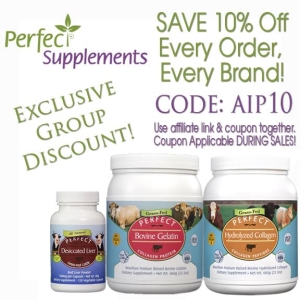
Perfect Supplements carries a fantastic line up of products, including Grass-Fed and Pasture Raised Bovine Collagen and Gelatin, powdered bone broth (LOVE IT!) liver powder and capsules (these helped me through my worst nutritional crisis), coconut oil and so much more. They also carry a lot of quality supplement brands I personally trust.
Where to buy:  You can shop direct here at Perfect Supplements (Save 10% with code “AIP10”)
Shopping Tip: You will save 20% when you purchase 3 or more Perfect Brand products and 25% when you purchase 6 or more Perfect Brand products – PLUS you can double dip and get an additional 10% off with my code above!
 
Autoimmune Health & Nutrition carries carries plain grass-fed collagen, plain protein powder with added veg and some fun flavors for adding to smoothies and more!
Where to buy: You can find their products on Amazon – click here and be sure to shop for the option without stevia
 
Vital Proteins has a HUGE line up of products – NOT all are AIP compliant, but it’s a brand you can trust – just watch the labels and stick to basic products (no added vitamins as these are usually synthetic and often not compliant). 
Where to buy:  You can find them on Amazon (be sure to watch ingredient lists – you’re looking for plain product with no flavors or additives)
 
Great Lakes Gelatin Co. offers a simple line of quality products – Grass-Fed and Pasture Raised Collagen and Gelatin. They used to offer Porcine (pork) Collagen as well but that seems to have disappeared recently. A WARNING about shopping this brand – the name of the company has the word “gelatin” in it, so you’ll need to watch you choose the right product – the green package is collagen and the orange package is gelatin.
Where to buy:  This brand is pretty readily available in health food stores, quality grocers, in my Amazon storefronts (USA, Canada & UK).

Take Me To The Recipes!

Ready to start incorporating collagen and gelatin into your daily AIP healing journey? Use the search feature in our Facebook Group for recipes like: smoothies, gummies, Jello, marshmallows and more. Simply try searching the group for collagen or gelatin – you’ll be surprised what comes up!

This post contains affiliate links.  Click here to see what that means.

Feeling privileged to be featured in the July 2018 Autoimmune Wellness Kitchen Tour!

What is Kitchen Tour?

Kitchen tour is one of the many resources at Autoimmune Wellness that I encourage folks to check out. If you’re interested in learning how to set up your kitchen for AIP, what changes you might need to make, suggested appliances, tools and gadgets for the job this resource is for you!

If you’re interested in catching a glimpse inside my humble little kitchen (well – my previous kitchen), reading a bit about my personal health journey and suggestions for those starting out on the AIP I invite you to take a read…

Gail’s AIP Kitchen:

How She Manages Hashimoto’s & Eosinophilic Gastroenteritis in Ontario

Originally Posted July 6, 2018 on AutoimmuneWellness.com 

AIP Kitchen Tour is a monthly feature in which we profile a member of the AIP community and their kitchen setup in hopes that it will further inspire us to get our kitchens organized and set up for success! We’ve interviewed folks who are making the AIP lifestyle a reality in everything from college dorms and small city apartments, to large households with non-AIP family members, and everything in between. Through these interviews, we hope to share how they make it happen across a variety of budgets and living situations, and give the community a wealth of inspiration. Read more Kitchen Tours here!


Gail Shankland, aiprecipecollection.comName:  Gail Shankland

Location:  Ontario, Canada

AI Disease:  Hashimoto’s and Eosinophilic Gastroenteritis (a rare digestive disorder)

How long have you been eating AIP? Just short of a year. I began shortly after my diagnosis in spring of 2017.

Have you successfully reintroduced any foods?
Happily, Yes! It was important for me to try adding nuts (not peanuts) and seeds back into my diet as soon as I felt up to it. I needed every major source of protein I could get my hands on (in addition to meat), as my digestive disorder was causing severe nutrient deficiencies and protein loss with edema that my doctors couldn’t figure out. Fortunately I don’t seem to have much of a problem with nuts and seeds and spices derived from them, so I’m very grateful — this opens up a lot of options for me.

Chocolate! Yes — my beloved chocolate is my friend too. I’m oddly not great with the really dark chocolate they say is healthiest, but can happily have a little gluten free semi-dark to milk chocolate without any problems.

Chickpeas were added back fairly early on, and while I miss lentils and beans I’m not ready to jump back into that just yet.

I have no intention to go back to being a regular consumer of eggs (I believe eggs to have played a big role in the my autoimmune bucket overflowing), or dairy (I’d already removed that from my diet prior to going AIP), though I can use ghee occasionally without any issue, and I don’t get too concerned about friends and family adding butter or a splash of milk to a dish they’re serving me.

I’ve been fortunate to have the occasional gluten-free treat without incident, so I’m thinking eggs in baked goods and grains in extreme moderation are probably also going to be just fine.

I miss tomatoes — we used to eat a lot of them in sauces. I’ve tried fresh tomatoes and tomato paste in small quantities and had no real issues, but I’m going to refrain from overindulgence for sure. But what a treat to have a little tomato paste on an AIP pizza!

Next up will be some of the nightshade spices — my hubby and I LOVE spicy foods, so it will be nice to try that and hopefully start having the odd spicy dish in moderation if all goes well.

How has the AIP changed your life?
I don’t quite know how to express what a dramatic change it’s made. Without it I might well be in hospital, on a feeding tube or elemental liquid diet, or at minimum having to attend a lot of doctors appointments where they wouldn’t be able to tell me much of anything.

My doctor is quite frankly astounded by the improvements to my health in just short of a year (all without traditional medical intervention beyond the diagnosis). Knowing little about my disease, the doctors and nutritionists at the hospital were stumped as to what to tell me to do, so they simply told me I should “Google it” and start learning about my disease (no joke — they told me that).

At the end of next month I’ll return to my specialist for my one-year follow up — a Gastroenteroligist who also had little to suggest for me and therefore didn’t invite me back any sooner than a year! I’m tempted to cancel the appointment because I don’t need his input, but I’m eager at the same time to tell him that controlling inflammation through diet and lifestyle is the answer, and that they should be learning more about this so they can help others. It’s not that hard — if I can do it, anyone can!

The list of improvements I’ve seen is a LONG one! My hair has grown back in (I lost at least 1/3 of it according to my hairdresser), my fingernails and toenails have all grown back (after having fallen off due to malnutrition), I’ve got my sense of taste back, my mystery rash has cleared, I’ve put just the right amount of weight back on and have been able to maintain my happier, healthier new weight, I’m getting stronger every day, and the list goes on! People tell me I’m the healthiest looking sick person they’ve ever seen! Ha! Thanks AIP!

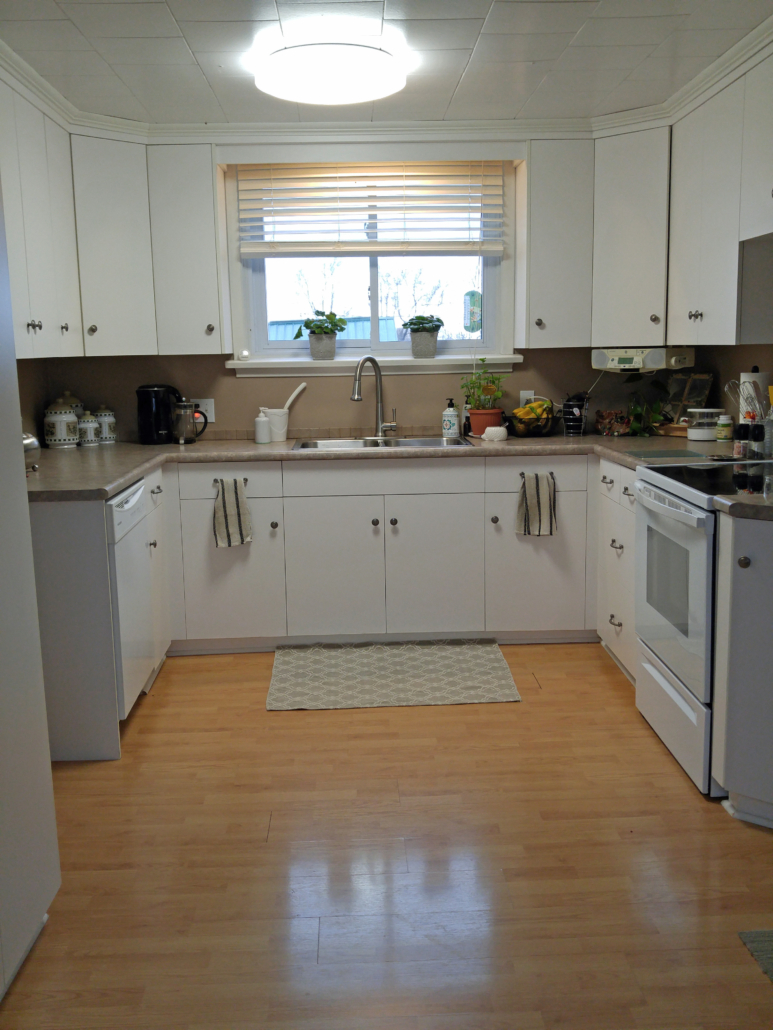
Size of your kitchen: 17 x 9.5 feet

Favorite thing about your kitchen:

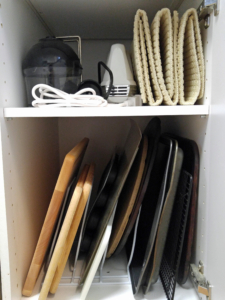
That’s a tough question! I guess if I had to narrow it down, I’d say that I have plenty of storage, which allows me to keep things neat and tidy and ready to get cooking!

Least favorite thing about your kitchen:
It doesn’t come with my own personal chef! Ha!

Overall, I’m pretty happy with my kitchen, though I’d love to have a nice big bay window above my sink… the current window is a little too high for me (I’m pretty short), so a lower, bay window would allow me to see into the yard more easily (including my little bird bath) and to grow some herbs and sprouts without taking up counter space.

Are there any cheap gadgets or little tools that you have found make AIP easier?
I’m not much into gadgets, so I’d have to make the super practical recommendation and say good knives. I know some may not consider these to be cheap gadgets, and yes there are LOTS out there that carry a hefty price tag, but in reality, just a good set of decent knives shouldn’t make much of a dent in your wallet. We spend so much time chopping and prepping, this should be number one on your list if you haven’t already made the investment.

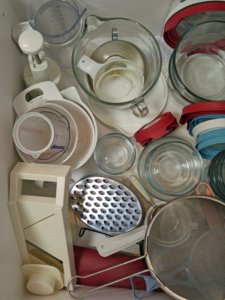
A simple mandoline slicer is a nice item to have as well — I had one (a wedding gift) and never used it prior to AIP, but now I use it ALL THE TIME! So easy to make quick ribbons of veggies for quick cooking under the broiler — awesome!

I will admit I seriously considered buying a counter-top spiralizer since I figured I’d never be able to live without pasta, but I’m happy I waited on that, as I’ve learned to live with less pasta in my life, and I’m not that crazy about “zoodles.” I did however invest in a small hand-held spiralizer which more than meets my needs.

What is the biggest thing that changed in your kitchen setup when you adopted the AIP?
Before going AIP I’d already been gluten-free for several years and had made a start detoxing my kitchen; upgrading frying pans and cooking utensils, switching to glass storage and spice containers, upgrading cutting boards, etc., so there really wasn’t a huge adjustment.

Gail's AIP Recipe Collection KitchenHOWEVER, there were two big changes we did make.

  1. After some research, we decided it was time to get serious about our water, and we invested in a Berkey water filter. Living on a farm we already had a need for bottled water and a basic gravity-fed water dispenser in our kitchen for drinking, but that got moved to my home office (we still bring bottled water in but it gets filtered) and the Berkey took center-stage.
  2. Food washing became a priority for us when my Functional Medicine Practitioner shared some information about parasites and how she was seeing more and more patients dealing with parasitic involvement as the root cause to their autoimmune diseases. It just makes sense, considering our food comes from all over the world — never mind the risk of germs from people touching it in the stores. So, now I have some economical, super absorbent dish drying mats that I use every week. No fresh produce is put away until it’s had a good bath in some vinegar and a few drops of lemon essential oils. Sometimes I resent the extra time it takes on grocery day, but in the long run it’s time saved because this means I’ve already washed and pre-trimmed or scrubbed my produce and meal prep becomes a breeze.

If someone was just starting to invest in some useful but more expensive kitchen tools, which one would you tell them to buy first?
Some would say an Instant Pot, but I’ve refrained from buying one of those, so, I’d have to say a good sized slow cooker is priority. Bone broth becomes such a big part of your life on this healing diet, I don’t see how you could be without one.

If I’m allowed to add others to this list, I’d suggest that a food processor and/or blender would be next in line. I’ve probably used my food processor more in the past year than I have in the prior 25! Our blender gets a good workout as well (my hubby loves his smoothies), and I use it a lot for things like sauces, blending plantains for waffles and making one of my favorite AIP desserts. I originally thought I’d have LOVED to have the most expensive one on the market (because the Vitamix is capable of high enough speeds to make and cook soup in the container), but we’re super happy with our considerably less expensive Ninja and find it’s more than up for the tasks at hand… so spend wisely!

Are there any tricks you have learned to make AIP work in your space?
Stay organized! I find cooking to be a much more enjoyable experience when my kitchen is neat and tidy, when my cupboards and drawers are organized and everything is where I expect it to be so I can grab it quickly.

It’s also helpful to keep the pantry, fridge and freezer sorted with things in the same place all the time — I find this super helpful when I need a hand in the kitchen (I can easily tell my hubby where he can quickly lay hands on an ingredient I’m after) or when I need to check what I’m getting low on for my next trip to the grocery store.

How do you deal with food for family members that are not AIP?
Convert them! Ha! Just kidding… sort of.

My number one piece of advice for anyone trying to please non-AIP eaters in their house is to keep it simple! Make an AIP main dish and round it out with non-AIP sides for your family. Typically it’s just my hubby and I that I’m cooking for, so it’s pretty easy.

In the beginning I used to make alternate side-dishes, like regular potatoes or rice for him, but since he suffers from his own autoimmune diseases he decided to join me (for the most part) on the AIP journey.

When it comes to cooking for friends and family, I just don’t tell them what they’re eating! AIP is just REAL FOOD after all. But, if we’re having folks in, I’ll often make additional sides or round out the meal with good quality gluten-free rolls or a baguette, or just regular bread and send any left-over dishes or bread that I can’t eat home with them. Sometimes I’ll have guests bring their favorite dessert, but most times folks are quite happy to try the AIP treats I serve, and they’re always surprised by how good they are.

My second piece of AIP advice is keep it on a “need-to-know” basis. I find for the most part, if you don’t tell people that the food in front of them is “AIP” or “Paleo” or “gluten-free” or otherwise… they’d likely never guess! Telling them it’s special just puts false ideas in their head that they might not like it.

Are there any tools or appliances that you’ve stopped using now that your diet has changed?
My bread maker has been pretty useless for a number of years now (since I’ve been gluten-free), but it’s been completely decommissioned now.

What are your favorite meals to batch cook?
Mickey will probably shoot me for saying this, but I’m not much of a batch-cooker. It should be right up my alley because I’m all about being organized, but in reality, when it comes to cooking I’m pretty lax.

I’d probably refer to my cooking style as “big-cooker” rather than “batch-cooker” Since there are only two of us, I find it works for me to simply cook a few bigger meals (or double a batch of something) throughout the week so that we have left-overs once or twice or throw a few meatballs in the freezer.

A couple of my faves would be Spatchcocked Chicken from Autoimmune Wellness (makes a great dinner and left overs for a second meal or chicken to be used in any number of other dishes) and Zuppa Toscana from Unbound Wellness (makes an enormous batch of soup for us that we’re happy to eat any time of day). Loaded Veggie Turkey Meatballs from Savory Lotus are one of my favorite meatballs — I usually make a double batch at dinner so we have them as a meal and then leftovers for snacks, breakfast or to freeze. Since I’m a lover all things treat, I will make a good size batch of Carob Avocado Mousse and store it in individual size serving dishes (it does well for over a week in the fridge and freezes and thaws well too).

What are your favorite AIP and Paleo cookbooks?
I’m a little embarrassed to say that I don’t have a favorite AIP cookbook. I have a whole bundle of AIP e-cookbooks but for the most part my recipes are found online.

A few of my favorite go-to sites for recipes are Autoimmune Wellness (obviously), The Paleo Mom, Unbound Wellness, Phoenix Helix and A Squirrel in the Kitchen.

Do you have any tips for those starting an elimination diet and setting up their kitchens for the first time?

  1. Have an attitude of gratitude. I know that sounds cliché, but keeping a positive attitude about making the change to AIP is so important in the healing process (Check out the book “Healing Mindset” – another great resource). I often have folks tell me how they think the AIP is so restrictive, and they’re so sad about what they’re missing out on. I try to focus their attention on all the exciting new foods they’ll be trying and enjoying before long. A little perspective never hurts either, and I often can’t resist reminding folks that there are many people in the world that have to restrict their diet even further than the AIP — I personally was faced with the potential of having to go on a feeding tube if I couldn’t turn my disease around, and in the beginning EVERYTHING I ate had to be cooked. That makes folks realize that “I’m bored with salad” is quite an insignificant complaint.
  2. Keep it simple! Don’t think you have to break the bank going out to change every tool in your arsenal or replacing every item in your pantry. Balance and reasonableness need to prevail. Take it slow and steady or you’ll be ready to throw in the kitchen towel before you even get started.

Gail runs an AIP Recipes Facebook Group which you can join to get some AIP inspiration in the kitchen.

~~~

Looking for even more suggested kitchen tools, gadgets and small appliances? Having a hard time finding AIP Pantry items and snacks? Check out my AIP Amazon Shopping Resource and my Food Sourcing Page.


Is it possible to do the AIP on a budget?

I won’t lie, it’s a challenge, and you have to choose your battles when you’re doing the AIP and trying to stick to a budget.

My number one piece of advice for all things AIP … KEEP IT SIMPLE!

Don’t try to get fancy with complicated AIP Recipes, baking, treats and using specialty ingredients.

Since there are already great articles on this topic I won’t reinvent the wheel, but in a nutshell concentrate on simple meat and veggies with a focus on nutrient density. Prioritize (choose organic ingredients for the worst offenders – click here for the EWG dirty dozen and clean fifteen food list – but it’s not the end of the world if you can’t afford it), meal plan (check out the best app for those on a healing AIP diet – click here for my review of the RealPlans app – it’ll help you schedule leftovers and choose recipes using minimal ingredients), batch cook and/or cook extras for left overs and avoid food waste. If you have a small yard or a balcony you can even consider growing some of your own food (leafy greens like lettuce, kale, chard and herbs are easy to grow in the smallest of spaces).

Check out the following resources and learn that budgetary restrictions really don’t need to cramp your style on the AIP.

Looking for AIP ingredients?  Visit our Food Sourcing page for reliable AIP shops.

Looking to save money? Of course you are ~ Grab some coupons here!

Want to try meal-planning but not sure where to start? Try this 10-day meal plan challenge for FREE!

Like a good book? Check out “Dinner for a Dollar”an 11-step system that will help transform your food life. It’ll slash the amount of time, money and energy you spend preparing nutritious, delicious, whole food – even when you’re on an allergy friendly-diet. Buy it on Amazon in my AIP Storefronts – USA / Canada / UK

Great Resources from Autoimmune Wellness

Part I: Three Tips for Eating AIP on a Budget 
Part II: Five More Tips for Eating AIP on a Budget
Part III: Budgeting Tips for the AIP
Accessible AIP: When a Healing Diet Isn’t in Your Budget
AIP is a Plant-Based Protocol
Sourcing AIP Food 101 – Favorite tips for sourcing the highest quality ingredients for the best price
Food Storage Basics – Tips so you don’t waste precious AIP ingredients
PODCAST:  Food Budgeting & Prioritizing

Other Resources

5 Ways to Save Money on the AIP


Can I Eat Out While I’m On The AIP?

That’s a popular question and one that’s not really easily answered.  During the initial elimination stage of the AIP I’d have to say this is going to be a very big challenge – probably not a risk worth taking in my opinion.

However, as you heal and as you successfully reintroduce foods to your diet this will become a little easier BUT it’s going to take some preparation, and it’s generally not recommended that you involve a restaurant to give a reintroduction a try.

If you’re interested in venturing back out to restaurants while on the AIP diet, it won’t be easy … it takes a lot of understanding, research and communication to ensure you’re getting what you need. Consider some of the following advice from the experts…..

Safely Dining out on AIP or with Food Allergies

5 Tips for Dining Out Paleo Style (includes suggestions for the AIP)

Eating Out When Following Paleo or AIP: Tips, Tricks, Questions to Ask and What To Do If It Goes Wrong!

RESTRICTED: Restaurant Survival Guide for Special Diets

100% Paleo Restaurants – This list of recommended restaurants just keeps growing!

Surviving social life on the AIP can be tricky … sorry … there’s no coconut-sugar coating this one.

Figuring out what’s safe to eat and how to politely convey your needs can be downright challenging. But having food allergies or intolerances doesn’t mean you have to miss out on the fun – or good food! 

The first thing I want you to remember is that you’re not alone! Secondly, let me assure you that you don’t need to miss out or feel like a burden! There are so many tips and tricks on how you too can survive the holidays … or any other celebration or invitation where your AIP Lifestyle might be “challenged!” You’ve got this!

Preparation is Key!

Failing to Plan is Planning to Fail
Never were truer words spoken than these
… especially for those on the AIP!

Okay, let’s get this party started!

Know Your Why!

Take some time now to remind yourself what your WHY is … WHY are you on the AIP … WHY do you want to feel better? Establishing your health goals and a “dream board” or detailed visualization of what your life will look like when you achieve your health goals can be extremely powerful. Imagine how you’ll look and feel, the things you’ll see, smell, taste and enjoy experiencing once again. Having a firm resolve, or “WHY” in mind as you head into the season of temptation will help you to navigate the pitfalls with more resolve for sticking to your healthy intentions. 

With that, you might want to consider this short article – “How to Set Goals, and Why You Should Write them Down,”  or for a deeper dive, grab this book by Kelly McGonigal – “The Willpower Instinct – How Self-Control Works, Why It Matters and What You Can Do To Get More Of It.” – learn the power of “I Will, I Won’t, I Want!” and how to stress-less about it all – it’s fascinating, extremely practical and not too science-y!

Communicate With the Host & Be a Good Guest

Hand-in-hand with preparation is communication! If you’re on the AIP and you’ve been invited out, the first feeling is typically excitement, quickly followed by a wash of fear and panic … but I’ve got you, boo!

If you’ve been invited to an event at someone’s house you’ll need to communicate your food allergy or intolerance – it’s a must! Don’t be embarrassed or sheepish about it, food intolerances or avoidances are NOT unusual these days, BUT many people may be unfamiliar with exactly how to accommodate your needs and may unintentionally “gluten” you or incorporate an ingredient that isn’t ideal for your dietary needs – so communicate well and be a good guest. 

Asking ahead of time what is on the menu and explaining exactly what you need to avoid can go a long way to helping both you and your host feel more comfortable. Chat with them about pitching in to help by offering to bring a dish or two that you know you can eat and that everyone will enjoy. 

Plan for indulgent moments in advance with the host. Desserts on the AIP can be especially tricky, so opting for fresh fruit is a great way to go – it’s one of my favorite things to take to someone’s house as it won’t out-shine the meal and most people enjoy something light and refreshing. Want to make it even more irresistible? Try pairing your fruit platter with my favorite Avocado Carob Mousse … trust me, know one will know it’s not chocolate and that it has avocado in it!

If you need some recipe ideas, be sure to join my searchable Facebook Group!

Just Eat Real Food

I say this a lot, but the best bet for those with food sensitivities and allergies is to focus on the basics rather than having to dive in and scour ingredient lists to determine if something is safe for your needs or not.

Prioritizing nutrient-dense, real food can help stabilize energy and reduce the likelihood of overindulgence. Keep it simple by focusing on meats, simply cooked veggies, undressed salads (bring your own dressing), and healthy fats as a foundation. You will need to be mindful of seasonings, but I’ve got information about that below.

If you’re ever unsure what’s in a dish, politely pass on the option and if need-be simply mention you have food sensitivities and need to be extra mindful – that is typically enough to help avoid any hurt feelings from whomever made the dish. Remember, eating food you’re uncertain of isn’t worth the risk of triggering your allergy or intolerance and feeling downright rotten for days afterwards – your body will thank you for watching out for it. 

Know What It’s Swimming In

If you’ve been on the AIP for any length of time, you know that watching the ingredients on seasonings, sauces, marinades and dressings is essential – and mind boggling! Gluten, refined sugars, soy, eggs and dairy lurk everywhere, and the dreaded “seasonings” descriptor in an ingredient list can mean a multitude of things! 

Obviously you wouldn’t ask or expect the host to cater to your every need and check all of their spices and condiments so they suit your needs, but there’s no harm in asking that they “hold” the marinades and sauces in your case by keeping a portion of meat, veggies and salad aside for you. Offer to bring a homemade salad dressing that everyone can enjoy, and maybe a sauce to add flavor to your unmarinated/unseasoned meat and veg.

Don’t Show Up Hungry

Studies show that we make poor food choices when we’re hungry or tired, so be sure to get a good night’s rest and eat well-balanced meals or snacks before the big event – this can help stabilize blood sugar and you’ll be less likely to be tempted to indulge in something you might regret.

Bring “Back-Up”

If you know that options may be limited for snacks, appetizers and the main course, be sure to slip some AIP options in your pocket or purse that will travel well – things like AIP meat bars, packets of coconut butter, coconut chips, dried fruit or fat bombs will help keep your blood sugar stable – check out my big round up of snack options here – there are lots of pre-made AIP friendly options and coupons to help you get through. 

Cheers! 

One big question I get from new AIPers is, “what can I drink?” This can be an even bigger concern during the holidays or at social events, but let me assure you, you don’t have to feel out of place – there are lots of tasty options – you’re not stuck drinking water for the rest of your days! 

Sparkling water with frozen blueberries is actually my favorite, but there are dozens of recipes for AIP mocktails and hot beverages posted in my searchable Facebook Group – be sure to check it out. 

If you’ve always been a social drinker and are having a hard time in social situations where alcohol is on offer, I’ve dedicated a whole post about to the topic – “Do I Really Need To Give Up Alcohol?” – click here.

Can I Cheat … Just This Once?

This is another popular question … especially during the holiday season! Because it’s an FAQ, you guessed it, I have a dedicated post on that- check it out here.

Polite No-Thank-You Scripts

Family gatherings can be tricky, especially when everyone wants you to try this or that. That’s why I’ve compiled a list of polite, friendly “No-Thank-You” lines that help you honor your body without offending anyone. Each script starts with gratitude, stays neutral, and frames your choice around your needs — not someone else’s cooking — so you can confidently navigate meals with kindness and ease. Deliver them with a smile, and you’ll protect your health while keeping the peace.

Polite & Warm

  • “Thank you, that looks wonderful — I’m all set though, my body thanks me for sticking with what supports my healing.”
  • “It smells amazing! I’m going to pass this time, but I really appreciate the offer.”
  • “Thanks so much — I know my body feels best when I skip that right now.”
  • “I’m good for now, but it looks delicious!”
  • “No, thank you — I’m used to saying no, and my body really appreciates it.”

Friendly & Reassuring

  • “Thanks, but I’ve decided to stick with what helps me feel my best.”
  • “That looks fantastic! I’m going to pass this time, but thank you for thinking of me.”
  • “I appreciate it, but I’m working on supporting my healing — thanks anyway!”
  • “It’s so kind of you to offer — I’ve chosen to skip (insert ingredient), and my body thanks me for it.”
  • “I’m all set, but it smells amazing — thank you!”

Playful & Gentle

  • “Looks incredible — I’m passing this time, my body is cheering me on!”
  • “It smells delicious! I’ll save my taste buds for something that loves me back.”
  • “I’ve brought something else to enjoy, but I appreciate you offering!”
  • “No worries — I’ve gotten used to passing on some of my old favorites, and my body is feeling better for it.”

Gave In To Temptation or Accidentally Ate Something Non-Compliant?

Don’t freak out! What ever you do, DO NOT stress about it! The effect of stress on the body can be worse than the actual item you ate (unless of course you’re actually allergic to the ingredient). Trust me, everyone slips up from time to time, whether you gave in to temptation, or by accident.

Now is the time to show yourself grace and self-compassion, be kind to yourself and move on. Be sure to drink plenty of water and enjoy a cup of ginger or peppermint tea to help your tummy. Simple practices like deep breathing or mindfulness to reduce stress post-indulgence.

In our family, a post-meal walk is often welcomed, and many people see it as a practical and socially acceptable way to aid digestion. If you’re feeling up to it, and you’re comfortable with the people you’re socializing with, maybe you can all stretch your legs and take a trip around the block!?

Over the next days, be sure to focus on nutrient density and gut healing foods like bone broth and soups that are gentle on digestion. Get plenty of rest and listen to you body.

Read more about this in my dedicated FAQ Post – “Glutened?” 

Looking for tummy taming recipes – click this handy link to the search result for these recipes in my AIP Recipe Collection Facebook Group (you can also search there for “tummy tamer” or “under the weather”).

More Advice & Tips

DO NOT SKIP PAST THESE! The following posts are amazing articles  written by some amazing people that will help you prepare to successfully navigate awkward/tough situations.

How to Really Eat AIP – Top tip from Angie Alt – “Don’t Be Weird!” This post is perfect to consider before you hit the holiday season – don’t let FFFEF stand in your way! Confused? … Trust me, just read this one!

Navigating The Holidays & Social Situations on a Healing Diet – Some of the best advice I’ve read about the topic – by Mickey Trescott.

Maintain Your Social Energy This Holiday Season – This one includes how to prepare your “Elevator Speech” – so you don’t have to be weird about your AIP lifestyle!

You Don’t Have to Apologize for Changing Your Diet – This is a very practical and helpful article that will help you prepare your mind for how to deal with the skepticism of friends and family.

10 Answers to the Question: Why Do You Eat That Way? – Eileen Laird provides some easy replies to this commonly asked question.

15 Tips for a Healthy Holiday Season – More practical tips from Eileen Laird of the Phoenix Helix

Getting Ready for the Holidays – Practical tips and tricks from AIP Coaches in the AIP Summit Podcast about preparing mentally and practically for food and emotional challenges that come with the holidays, food and family traditions.

While I’m not a parent, I can appreciate that feeding your kids AIP could be quite a challenge, especially since they’re likely already accustomed to the brightly colored, artificially flavored, sugar-laden main-stream foods like Kraft Dinner, frozen pizzas and Fruit Loops! Heck – you might even have a challenge feeding your “big” kids (aka teens and husbands) an AIP diet for the same reasons!

Unfortunately there’s no guaranteed, “silver-bullet” available, it’s going to take some trial and error to make the transition, but the good news is that it is possible!

Shhh … No One Needs to Know!

If you’re here, I’m assuming you’re dealing with autoimmune disease, chronic fatigue and the like. You know how difficult it is to be exhausted, feeling like you’re shackled to the kitchen prepping food. Compound that with picky eaters in the family or kids that you’re trying to transition to a clean diet and you’re probably going bonkers … am I right!?

My top tip – NO ONE NEEDS TO KNOW IT’S AIP (Paleo / Whole30 or what ever healing diet you’re using)! Before you started on the AIP, did you feel it necessary to tell your family about all the ingredients you put in the meal you were presenting? I’m pretty sure the answer is “no!”

I find that as soon as you label anything as being out of the ordinary, you will meet with resistance.

I’ve seen it happen with my extended family – if you tell them something’s gluten free or AIP they simply decline. However, if they were to eat it without knowing, they’d probably never realize it was anything “special” – and trust me, I’ve tested this theory!

Always remember, it’s not AIP Food … it’s just real food! Will every dish be a hit? No … but just make your meals, make no fuss and adjust where you need to. 

I’m providing additional resources for getting your family on board with the AIP below, so don’t miss out on those for more tips and suggestions.

You Eat What You See

As you’re setting up your kitchen, clearing out your pantry and just generally trying to set yourself and your family up for success (check out my article Prepping Your Kitchen & Pantry for the AIP), remember this tip! Keeping healthy options readily available on counters or at the front of the fridge or pantry means they’re more likely to get eaten – you and your family eat what you see!

Making sure your fruits and veggies are washed when you bring them home from the grocery store really helps, but you can take it one step further and pre-chop and/or peel veggies and fruit so they’re easy to grab and go when you’re feeling a little snackish. Granted, this works better with some options than others, but there are an abundance of tips, tricks and hacks on the Internet to help set you up for success. Some examples would be to cut up celery and carrot sticks and store them submersed in water in mason jars, be sure to you peel or slice an orange and put it in an air-tight container to take it along for work or school snacks – something that’s already cut open is not only easier to snack on, it’s also going to spoil, so you’ll be more apt to consume it rather than just taking that apple or orange for it’s daily trip to the office/school!

Another tip is to have a few simple-to-prep snack ideas in mind for when you need to whip something up. Don’t miss my AIP Snack Guide.

Nutrient Density & Food Familiarity

I’m not gonna lie, there are some things that you’re likely to have a little more trouble with, (yes, I’m talking about liver and offal), but again, you don’t have to tell your family everything! You’re allowed to hide “gross” foods from your kids, and even yourself, in order to ensure you’re eating a more nutrient dense diet. You’ll find many recipes in the AIP Recipe Collection Facebook page that are named “hidden veggie” or “hidden liver” or something similar.

Here’s a little fun-fact: Did you know that liver is a flavor enhancer?!

What we’re talking about here is called “food familiarity,” and there’s actual science behind it (Dr. Ballantyne talks about this in her Therapeutic Approach Masterclass)! Familiar flavors and textures in dishes we’re used to eating work in our favor as we incorporate small amounts of “less popular” foods. Things like a hidden liver meatloaf, meat balls or burgers are a great starting point as we transition to healthier choices on the AIP.

If you’re having trouble incorporating liver in your diet, try this starter recipe from Dr. Ballantyne – 50/50/50 Burgers – she says her girls even ASK for these burgers, and I personally love them for breakfast (the liver definitely enhances the flavor) – they’re even delicious cold! Or, try my Blueberry TigerNut Muffins with Hidden Liver – I eat them almost every day – you’d never know there was liver in them!

Another important note is that different kinds of liver have different flavor profiles, butchering processes/practices effect the taste of meat, as do different breeds of cattle, pork, chicken and so on … so you might have to try a few different kinds before you find something you and your family really enjoy.

Positive Association

Another trick to getting your family on board as you transition to your new AIP diet is the use of positive association.
 
As an adult, we start liking and enjoying healthier foods when we feel the positive results – it’s hard not to enjoy something if it makes us feel better and it gives us more energy!
 
For kids, it’s going to be a little different – they won’t necessarily realize that food can make them feel better, though some of them are pretty in-tune to their bodies (my nephew knows that pasta sauce makes him feel yucky, I’m willing to bet that tomatoes are likely not his friend). It’s a good idea to start a tracking journal on behalf of your children – food/mood/poop journals are what we use for ourselves during the elimination stage, so it makes sense we’d do this for our AIP kiddos too. As a parent, being aware of changes to energy levels, moods, etc… will help you determine what’s right and what’s less than ideal for your family.
 
Your best approach is to ensure mealtime is  enjoyable – avoid making it all about the new food you “have to eat” – no one ever enjoys being forced to eat something. Obviously there may be some bargaining that takes place to get your kiddos to at least try those new foods that you can’t disguise, but try to keep it up-beat. Make sure meal times are relaxed and try to stay focused on the positive things going on in their life and yours. Use it as a time for communication and kindness – learn about what happened during their day, keep them distracted to a degree, and talk about something fun you can do together after your meal. Positive social dynamics at mealtime will help attach positive association food… and it will get easier.
 

Get the Family on Board

While Dr. Amy Myers’ AIP diet varies slightly from that of Dr. Ballantyne, she offers some good advice in this article that you might want to check out –6  Tips for Getting Your Family on Board With the AIP. I also recommend these  articles from Autoimmune Wellness – How to Inspire Health in Your Home & Getting Your Child On Board With Dietary Changes
 
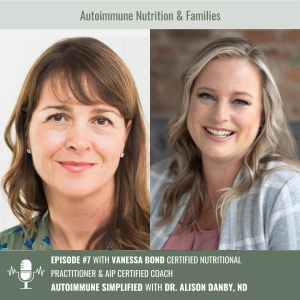
I also highly recommend you listen to the Autoimmune Simplified episode called Family Nutrition with Autoimmune, where Dr. Alison Danby speaks with Nutritionist Vanessa Bond whose daughter has a very rare autoimmune condition – the advice offered in the podcast is truly exceptional. Included below is a link to Vanessa’s Facebook Group called “The Autoimmune Family” – don’t miss it.

Pregnancy, Breastfeeding, Babies & Kids

Since I frequently get questions in our Facebook Group for “kid-friendly” AIP meals, I understand that getting enough nutrients into them can be tricky, I’ve compiled this additional list of resources that I hope will help save you some frustrations.

NOTE:  NOT all of the information below is specifically about AIP, but it is about Paleo (of which the AIP is a modified version as you know). Use caution when determining what foods to include/exclude where this is discussed and above all, consult a professional healthcare practitioner. 

Facebook Group – The Autoimmune Family with Vanessa Bond

Facebook Support Group – AIP in Pregnancy & Breastfeeding

Paleo Leap – Cave Babies: Raising Happy, Healthy Paleo Kids
This article has some links to other web-pages and some specific information about nutrients.

Robb Wolf – Feeding Kids Paleo
Includes a FREE Guide Book if you sign up for his newsletter when you land on his page.

Positive Parenting Solutions – 8 Strategies for Picky Eaters 
This isn’t just Paleo or AIP, but the tips can be applied.

Grazed & Enthused – Real Food Baby: How We Introduced Solids

Looking for Kid-Friendly AIP Recipes & Conveniences?

Familiarity is a kid’s best friend – so try to keep it as “normal” as possible.

The first option that comes to mind when I think about convenience food for kids and toddlers is Serenity Kids – click to find out why I’m so excited about these products.

Lovebird cereal - 15% Off!Lovebird Cereals are another must-have! It’s the cleanest cereal on the market, takes you back to childhood, and they give-back to childhood cancer research. Click the link for a discount, my review and a round up of recipes you can make with it.

I also recommend that you try using the search function over in our Facebook Group – try searching “kid friendly” “snack” “brown bag” or the particular dish you’re looking for … like “mac n cheese” or “shepherd’s pie” or “veggie poppers” or “nuggets” or even “baby food” if you’ve got a toddler!


Check out our Food Sourcing page where you’ll find links to my Categorized AIP Amazon Storefronts for Canada, UK and USA. I also have a specific AIP Amazon.com Storefront Section for AIP & Paleo Kids.  You’ll probably find my AIP Snack Guide handy too!

SAVE with coupons from our affiliates – grab the current codes here.

This post contains affiliate links.  Click here to see what that means.

Nothing can de-rail a dietary plan faster than not having a plan at all!  If you’re like me, I tend to procrastinate about cooking and prepping meals, so I often get caught short of ingredients or inspiration.

If you’re on the AIP and struggling because you pretty much have to plan and prepare every single meal you consume then the Real Plans app just might save your sanity!

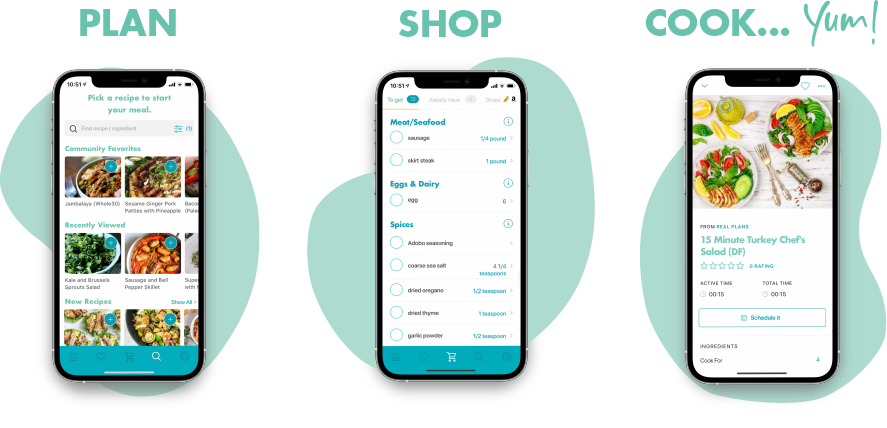
RealPlans is the perfect partner on the AIP, a great source of recipes and a great way to store your personal favorites (from my searchable AIP Recipe Collection Facebook group, this blog or old family favorites you’ve modified)!  It’s actually the ONLY app that caters specifically to the AIP.

You’ll hear me say it over and over again:
“Failing to Plan is Planning to Fail!”

_______________________

RealPlans is NOT Your Average Meal Planner!

THE OVERVIEW:
  • It’s perfectly tailored to meet the needs of those on the AIP (gluten free, dairy free, nut free, grain free, egg free, soy free, refined sugar free and nightshade free) and even ACCOMMODATES ADDITIONAL FOOD SENSITIVITIES or family preferences – it shows you ONLY the recipes you should have! (It can be especially helpful if you’re avoiding FODMAPs, coconut or are having to consider macronutrients).
  • It’s completely ADAPTABLE AS YOU PROGRESS FROM ELIMINATION STAGE THROUGH REINTRODUCTIONS as you add individual ingredients back in.
  • It does all the math for you – tell it how many you’re cooking for and it adjusts!
  • LEFTOVER LOGIC & SCHEDULING LOGIC are new for 2020 – makes a provision for using leftovers for other meals (if you wish) and when/how you want to use them (e.g. – left over dinner for lunch), batch cooking days, big cooking (that’s what I like to call it) where you make additional portions for the freezer.
  • COOK ONCE eat often! Since the app asks you how many times you want to cook, it helps you formulate a batch-cooking plan to best utilize your time.
  • Gives you the option for SEASONAL RECIPES so you can eat what’s in season to you locally which SAVES YOU MONEY!
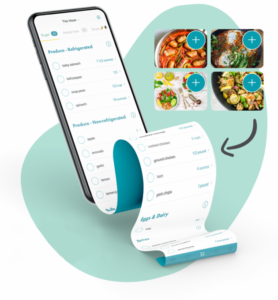
  • THE ONLY SHOPPING LIST YOU’LL NEED! Not only is it a smart list which shows you which recipe the ingredient is for when you hover over the item (helpful if you can’t find an item and need to considering omitting it), you can use it for everything since it allows you to add additional household items and provides the option of multiple lists for different stores.
  • BULK SHOPPING the shopping lists allow you to customize the date range you’re shopping for – perfect if you’re going on vacation, or planning for emergency situations.
  • Due to the COVID-10/Corona Virus pandemic many have LIMITED SUPPLIES – so, they added a feature allowing you to search for recipes based on the number of ingredients so you can locate simple recipes quickly AND a new feature called PANTRY which allows you to meal plan based on what you already have in your house – it’s genius! (See more features below that will help you during the pandemic or any emergency that leaves you short of supplies).
  • There are OVER 300 AIP RECIPES in the regular plan and add-on options that open up the recipe world even further – you’ll never run out of options!
  • You can use it to IMPORT RECIPES you find here in the group & have the app incorporate them in your meal plan.
  • You can UPLOAD FAMILY FAVORITES or recipes from cookbooks you have if you take the time.
  • It has a TIMELINE for REMINDERS WHEN TO THAW INGREDIENTS, optional emails and so much MORE!
  • It’s truly the ULTIMATE APP FOR THE AIP!!

For my full review of the app and for information on using the app in cases of emergency where food supplies may be limited (like hurricanes, power outages and even COVID-19), please see below.

Subscription Options:

GRAB a Subscription:
Purchasing for yourself – sign up here

GIVE a Subscription:
Purchasing for someone you love – send a gift here

STILL not Sure?
RealPlans offers a 10-day money back guarantee – there’s really no risk!

Cant Afford a Subscription?
RealPlans offers a 4 week PDF meal plan for FREE. It’s old-school planning but it’ll help you get started on your healing journey through a series of emails – click here to sign up.

FEELING A LITTLE CHEEKY?
Share this post to social media with a little extra attention placed on that “GIVE” a subscription link as a subtle hint of what your loved ones could get you for Valentines Day … or your birthday … Mother’s Day …. Father’s Day …. or JUST BECAUSE you’re AWESOME Day!

Wishing you all much healing … and I hope you love this app as much as I do! 

_______________________

My Full Review of RealPlans

I first saw information about RealPlans MONTHS ago, and I ignored it, figured I didn’t need help with recipes and meal planning, I was doing just fine … “I’ve got this” … or so I thought!

That said … I was an idiot!  I wish I’d jumped on RealPlans as soon as I saw it, and I certainly wish it was around when I first started on AIP! OMG … It’s AWESOME!

Who’s the App For?

Whether you’re a novice AIPer or a seasoned veteran, this app is for you! First of all though, let me say, I’m not into apps and gadgets, so for me to get excited about this, that’s really saying something.

So, what is it? Just another fancy app that you’ll look at a few times and never go back to? HECK NO! You’ll use it every day!

RealPlans is a Meal Planning app that was created with specialty diets like the AIP in mind but it’s really suitable for everyone no matter what dietary plan you’re following. For AIP and anyone with food allergies or sensitivities this is the best thing since sliced AIP plantain bread!

What Is It?

RealPlans is a specialized app that can be used on your computer, mobile device or both (I utilize it on both – some set up needs to be done on the computer so keep that in mind), it helps you plan your AIP meals (it’ll even tell you when to get those frozen goods out of the freezer so you’re ready to get cooking according to your plan), provides recipes, allows you to make more when you want left-overs and creates shopping lists to help you get the job done with ease!

Not interested because you already use a grocery list app? No worries – this app will allow you to add ANYTHING to your grocery list, and it’ll even set up more than one list, allowing you to decide which store to purchase items at.

How Does It Work?


This is a subscription app, and it’s available by the month, quarterly or annually (of course you save more by committing to quarterly or monthly subscriptions) AND there’s a money-back guarantee, so you can’t lose!

Once you sign up you can either go it alone or enlist the help of the experts (their customer service is excellent!) which makes the app perfect for everyone, regardless of your techno-savvy or lack there of.

  1. You tell the app who you are – how many people are in your family, where you shop (so it can set up your grocery lists), what unit of measurement you want your recipes to appear in (imperial or metric), which gadgets you use … like the instant pot or slow cooker.
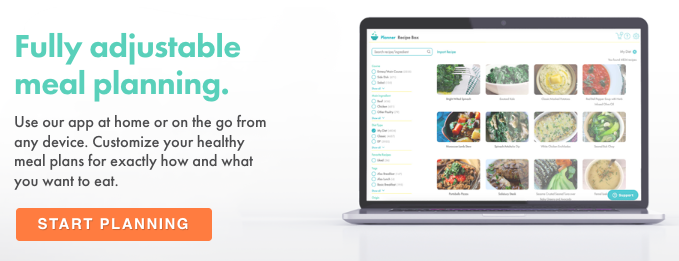
  2. You tell it what you like to eat, so in our case you’d select our specialty diet – AIP – it then automatically eliminates the top 8 food allergen groups from the options. IMPORTANT: The app allows for ALL stages of the AIP diet, from Elimination through Reintroduction, and allows you to easily add individual foods back into your diet or whole food groups. The app is also customizable for folks that are on Paleo, Whole30, GAPS or Keto, or maybe just vegetarian, pescatarian, gluten free or dairy free and even traditional diets … so keep it in mind … it makes a great gift for anyone that needs help planning meals!  UPDATE:  They’ve even added macro tracking for those that need or want that … these guys think of everything and welcome customer feedback to help make their product better!
  3. You then customize your food selections by telling it what additional foods you need to avoid … you can exclude additional groups of food or individual food items, so for me I excluded all variations of pineapple since I’m allergic.
  4. Tell the app which meals you REALISTICALLY plan to prepare (you make your selections with the use of easy slider buttons) … we’re not superheros folks, so count on those cherished left overs (UPDATE FOR 2020 – they’ve added a feature for scheduling left overs and which meals you want to make extra portions of for this reason), schedule days off if you’re visiting friends or family or eating out, and tell the app how much work you want to do … it’ll figure out the rest. You can even ask it to only show you recipes that take under 30 minutes to make!
  5. Once the app populates your calendar with recipes (all of which are recipes YOU CAN EAT … it’ll never show you something that you shouldn’t have – talk about a fail safe … especially for newbies on the AIP!) you can go about customizing it to suit your family’s needs. Do your kiddos insist on Taco Tuesday? It can do that! Just drag and drop recipes, add items here and there, it’s amazing!
  6. Want to use recipes you’ve collected from our Facebook Group, or an old family favorite … yup … it can do that too! It’ll even allow you to customize the existing recipes from the app to your personal taste – you can edit the recipes to your preference! The sky is quite literally the limit with this amazing app, and the recipe box is amazing!
  7. Want even MORE recipes that you don’t need to go searching for or import? You can upgrade your app and purchase a recipe package from some of the big names in the AIP community, like The Paleo Mom, Meatified, Nom Nom Paleo and the Autoimmune Wellness girls. SCORE!  Life just got easier again!
  8. Once you’re done planning your recipes for the week, the app populates a shopping list and you’re ready to hit the ground running! You can even edit your shopping list to add things not in the meal plan (like tooth paste and toilet paper). As I mentioned earlier, you can add more than one store that you shop at, and indicate where you want to purchase various items, which makes life a breeze once you get to the shops.

Initially there’s a bit of set up with the app (you can even tell it what type of pantry items to leave off of your grocery list, like spices and condiments), but once you’ve got it customized to your liking, you’re golden! Did I mention you can even tell it you want to have the same recipes in weekly rotation? A great feature since I know a lot of us like consistency in our routines.

Having a dinner party – no worries, it allows for that and you can adjust the serving sizes of any recipe at any time! It’s like magic!

Once you sign up, you’ll get several emails from RealPlans in the days ahead … it’s NOT SPAM … the emails are super useful and will help you get the most out of the app with tips and instructional videos.

So – that’s my review of RealPlans! In case you hadn’t guessed, I highly recommend this for anyone struggling to keep up with AIP meal planning, for those who don’t have time to keep looking for recipes … and especially for newbies … what an AMAZING tool to help you keep to your AIP goals! If you use the app, it won’t let you eat something you shouldn’t (though you do still need to watch the labels on ingredients).

There’s seriously so much to this app I can’t cover every last feature … you really need to jump in and get your feet wet … it’s extremely useful, and trust me, I’m not one to suggest spending money on things frivolously!

I find there’s always a holiday or special day right around the corner, so why not show yourself a little self-care and give yourself this amazing gift!

In Case of Emergency:

Important TIPS:  In light of the COVID-19 outbreak (or any state of emergency that leaves you short on supplies – think tropical storms and hurricanes folks) and concerns over grocery shopping, limited supplies and meal prep, consider some general tips and ways you can use RealPlans to help you SHOP SMART!

1. Freezer meals are the perfect plan to make fresh ingredients last longer.
2. Meal planning helps you to shop smart and stick to your healthy eating.
3. Use the RealPlans for inspiration or clear the plan and be inspired by the recipe box.
4. Use the filters in the recipe box to find great meals that you can freeze, or batch cook for leftovers.
5. Modify recipes to cater to what is left in the stores (or your house).
6. RealPlans has adapted their app to allow you to search recipes by the number of ingredients – a great feature when supplies are running low.
7. The new pantry feature will help you find recipes based on what you have on hand!
8. Add additional items to the shopping list to make it fit for your real life (paper goods, trash bags, etc).
9. Use the shopping list to shop for more than one week if needed to prepare for any necessary isolation.

Looking for a little encouragement dealing with COVID-19 and the AIP – Click here to read my encouragement post.
Want more tips for emergency planning for a specialty diet? Click here. 

This post contains affiliate links.  Click here to see what that means.

Where Do Supplements Fit Into A Healing Diet?

With nutrient density and a balanced diet as the priority of the AIP, you might be confused about whether you should also be taking supplements or not.

I’ve had many people tell me they MUST supplement because they’re cutting eggs and dairy and what ever else out of their diet while on the AIP … but in reality this doesn’t have to be the case!

Nutrivore for AIPIf you’re concerned about a certain deficiency, I encourage you to do a quick Google search (search: “What foods are rich in X…”) to find out what foods are rich in that vitamin/nutrient, or better yet, check out my post – Eat the Rainbow and consider delving into “Guide to Nutrivore” or “Nutrivore: The Radical New Science for Getting the Nutrients You Need from the Food You Eat” by Dr. Sarah Ballantyne, one of the pioneers of the Autoimmune Protocol. I think you’ll be shocked by how much you can get just from eating the RIGHT fruits, vegetables and proteins!
That said, I’m not saying that supplements are a no-no on the AIP, that’s not the case at all.  Many people may be in nutritional crisis due to their medical condition and they may need to supplement in addition to using the AIP to heal (this was and is the case for me).  Most IMPORTANTLY, always follow the guidelines of your doctor, functional medicine practitioner, AIP coach or nutritional consultant – click here for where to find help.

Don’t miss these articles by Autoimmune Wellness :

5 Reasons You Should Get Your Nutrients from Real Food Before Supplements – learn about affordability, the power of real food over supplements, when supplements make sense and so much more!

Supplements & The AIP – learn how to evaluate supplements, whether you need them and which supplements might be of benefit to you

Hidden Gluten, Grains and Nightshades in Meds and Supplements – this is an important topic to consider if you’re taking supplements or medications on the AIP

AIP Trouble Shooting

Before we head into more on supplementation, I want to offer this one thought … if you feel your AIP elimination diet isn’t working for you, and reintroductions just aren’t going well, resist the urge to eliminate more and more foods. Our goal is to be adding foods back into our diet, not removing more and potentially creating disordered eating. 

If you’ve given the AIP elimination diet a serious go an are struggling, please check out my resource on “Digging Deeper & Trouble Shooting the AIP.” 

What Should I Take?

The “I” in that question is THE most important word … supplements are completely unique to each individual. There is NO one-size fits all approach to supplementation, just like there’s no one-size fits all AIP.

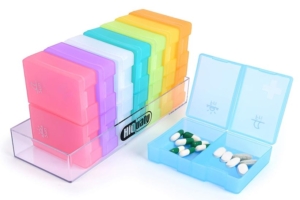
My Favorite Supplement Organizer! Large enough for fish oils and more.

There is NO one regime that works for every person with Hashimoto’s or Graves, no guaranteed standard set of supplements someone should take if they suffer from Chrons, Fibromyalgia, MS, RA, etc., and so on. Resist the urge to be a copycat – unfortunately, it’s not as easy as copying from one person’s regime to your own. This can be especially true with things like probiotics (folks with SIBO and digestive disease have special needs – sometimes you don’t even know what your underlying issues are and that makes it trickier again!), and then there’s B vitamins which can be challenging for folks with methylation / detoxification issues, and don’t get me started about anyone dealing with mold exposure issues – things I thought were safe for me are not … and the list goes on and on and on!

Honestly – save yourself some time and stop wasting money on supplements that might not be right for you! If you’re aimlessly taking supplements, or jumping on the latest fad supplement for belly fat, bloating or autoimmune disease, you might simply be creating really expensive urine! That’s right, you heard me … if the supplements aren’t right for you, or your body isn’t absorbing nutrients efficiently, you could just be flushing them and your hard earned cash down the toilet … literally!

That said, supplementation is really something you should work through with an expert, such as a Functional Medicine Practitioner. Seriously consider this – it could save you money AND months or years on your journey to health.

Where Should I Buy My Supplements?

I just mentioned wasting money, none of us want to do that, but more importantly, you want to be sure you’re getting quality supplements. There’s a lot of hubbub lately about fraudulent supplements being sold online from sources like Amazon, so please, buyer beware! If the price is cheap and it seems to good to be true, it likely is.

Beyond that, supplements are scary confusing! There are so many things to watch for when it comes to nutritional ingredients and quality, never mind all the tricky inactive ingredients that may be hiding in your supplements (did you catch that article link above?)! So if you’re feeling confused, whenever possible, enlist a professional who is knowledgeable about the AIP and your diagnosis to assist you with determining the right supplements and best brands for your personal situation.

While I’m not about to recommend any particular product for anyone’s personal situation (DISCLAIMER: I’m not a doctor), I will point you in the right direction to a trusted company that has been recommended by many autoimmune experts. I have personally used Perfect Supplements desiccated liver and organ capsules, collagen and more. I trust their quality offerings so much that I decided to become an affiliate. You can find them here, and you can save money when you use this link and CODE: “AIP10”  
Save 20% when you purchase 3 or more Perfect Brand products
Save 25% when you purchase 6 or more Perfect Brand products
Save 10% off EVERY order of ANY brand 

(NOTE: Not all products offered by this partner are necessarily AIP – you will still need to do your own research and consult a professional for advice.) 

LOOKING for other options?  Since I know many people are looking for quality supplements at affordable prices, I’ll share one of my favorite shops – iHerb, and you can save 10% as a new customer or 5% as a returning customer with my referral code “HAN855” (NOTE: I still do a lot of research before purchases – you’ll need to evaluate brands and ingredients on everything you choose). One of the best things about shopping for my supplements online is that it allows me to dig in, compare prices, brands and ingredients before buying. I simply can’t do that buying in a physical store – there’s too much pressure!

Are fermented foods allowed on the AIP?

This question causes a lot of confusion and debate for those on the AIP, but the simple answer is “Yes!” You will find fermented foods recommended as part of a healthy AIP Diet in Dr. Sarah Ballantyne’s handbook – The Autoimmune Protocol (if you haven’t picked it up yet, I recommend it for EVERY person on the AIP – click here.)

Adding fermented food and drinks can be a very healing addition to your AIP menu, however, I can tell you from experience that they may not be for everyone, at least in the beginning.

Caution and care should be exercised choosing products and adding things like kombucha, sauerkraut and other ferments to your diet.  I encourage you to follow the advice of your nutritional consultant and/or Functional Medicine Practitioner to ensure that ferments are right for your personal medical condition and nutritional needs. If you’re not seeing a professional, at the VERY least be sure to keep very careful track of symptoms and reactions after consuming them, and start out with very small quantities.

Why would ferments cause problems? They’re supposed to be the bees-knees for adding more of the “good guys” to our gastrointestinal arsenal, strengthening our microbiome! Here are a couple of quick reasons to ponder – 1) Kombucha contain compounds called FODMAPS which are specific types of carbohydrates that can cause digestive distress in many people (especially those with Gastrointestinal Issues/IBS and SIBO), 2) Because it’s unpasturized it can contain different types of bacteria and yeasts that actually promote growth of opportunistic bad bacteria that can lead to more problems! A bitter beginner option when it comes to fermented foods would be sauerkraut or kimchi.

Still think you might want to jump on the ferment wagon? Feeling a little overwhelmed? I’m not surprised!

There are a lot of fermented products on the market – are any acceptable for AIP?  What ingredients should I look for?  Should I try making my own instead?  Is that even safe?  How much and how often should I consume ferments?

Learn more below from the experts:

A Practical Guide to Fermented Foods for Autoimmune Disease

Everything you need to know about Kombucha – a whole series of articles to dive into!

If you’re looking for Recipes to make your own AIP compliant ferments, try using the search feature in our Facebook Group … try searching “ferment” “pickle” “sauerkraut” “kombucha” or what ever you’re trying to make.

Ever feel like efforts to manage your illness are a bit like putting a band-aid on a battleship? That you’re just masking the symptoms and not getting to the bottom of things? I think we’ve all been there at one point or another, and that’s why I want to share this with you today.

While it’s amazing to receive an actual diagnosis and know what you’re dealing with – that’s just the beginning! Finding the root cause of your disease(s) is imperative if you’re ever truly going to achieve healing.

After watching the docuseries “Betrayal – The Autoimmune Disease Solution They’re Not Telling You” (CLICK to watch for FREE), Dr. Tom O’Bryan generously shared a FREE online resource that sadly has been discontinued.

Since the online tool disappeared, I’ve been searching feverishly to find something equivalent to share with you, because it was a HUGE help to me on my healing journey.

Fortunately, I’ve managed to cobble together some information that will help you gather important information you can share with your Functional Medicine Practitioner. Trust me … they’ll be very impressed that you’ve taken the time to put the effort into this. 

The process will help you to understand where your health issues started, and in turn you’ll help your health-care team to start finding solutions faster!

When I say “effort,” I really do mean it, you’ll need to dig deep and gather every stitch of information you can – I could save you hundreds, if not thousands of dollars and shave months or years off of your quest for better health!

LivingMatrix_Logo_FINAL4_17_15-300x62

While the Living Matrix program no longer exists, Functional Medicine Practitioners still use the same process of establishing your health timeline, so keep reading, it’s a powerful process!

The original program presented questions about various life events, health issues, family history and more. PLUS you were able to add your own life events that you feel may have bearing like stressful events, antibiotic use, food poisoning episodes or major flu that may have emptied your gut of all the good bacteria.

MyTimelineTM was a powerful tool that enabled you to easily document the unfolding phenomena that lead to ill health – a process that often occurs over many years, perhaps even a lifetime. It gave you and your practitioner the “Big Picture” so you could take the necessary steps to build back your health.

What is the importance of MyTimelineTM?

Illness and disease do not appear overnight. They develop over time. Yet our healthcare system is not set up to accommodate this obvious fact. We pool together a pattern of symptoms, put a name on it, and call it a disease. Then, a one-size fits-all protocol is applied. When you come in with breathing problems and get a diagnosis of asthma, you get a prescription for an inhaler to help you breathe better. But what about the answers to questions “Why did I develop asthma?” or “What do I do to reduce my need for the medication?” It is the equivalent of focusing on and treating the exhaust pipe when your car begins spewing black smoke. Of course we want to feel better and need our symptoms addressed. But the bigger picture – the accumulation of all the small events that have occurred – facilitates the understanding of where the disease has come from.

Documenting the actions, events, and environmental influences that have occurred in your life allows for the construction of meaning and a “Big Picture” view of how your body got to where it is today. This opens up a conversation between you and your practitioner. MyTimelineTM helps you and your practitioner work together, evaluate holistically, look for patterns, and find correlations/triggers/mediators. Each of us has a unique history that accumulates over time and holds the clues that can contribute significantly to creating a personalized plan to get you back to the health you want.

Create Your Own Timeline!

In the original Living Matrix program plotted everything for you – it was amazing! It’s terribly unfortunate that it’s not available, but there’s no point crying over spilled coconut milk, so we’re going to kick it up old school and keep going!

Overall, it was designed to help you think not only about your symptoms and issues – but just as importantly – when they may have occurred. It asked about key events in your life so that you could begin to recognize the patterns and see the “Big Picture” of the relationships between life events, symptoms, and diagnoses. 

Since the process is rather in-depth, I’ve created a separate post so things don’t get messy or confusing here. Follow this link to create your own timeline, but keep reading to learn what to do with that information once you have it compiled.

What’s Next?

If you’re not finding your traditional doc to be of much help on your journey of discovery and healing, I wouldn’t say I’m surprised. Traditional medicine is really “sick care,” not “health care” and their training involves very little actual instruction about the holistic care of the human body – they assess, diagnose and prescribe – yes, the old band-aid on a battleship approach, sadly.

So, what’s next then? Well, if you watch the docuseries/talks that I mentioned above, you’ll no doubt be interested to learn more about Functional Medicine and their approach to treatment.  One phrase that sticks with me that I read about Functional Medicine is this, “Find the cause, fix the cause, feel normal again.”

What is Functional Medicine?

It’s a combination of holistic care and conventional medicine – to me a perfect collaboration! My Functional Medicine Doctor includes conventional medical testing with her practice but takes the time to search for the root of the problem so we can fix that – not just put a band-aid on the symptoms.

The Institute for For Functional Medicine
 describes it this way:

ifmlogoFunctional Medicine addresses the underlying causes of disease, using a systems-oriented approach and engaging both patient and practitioner in a therapeutic partnership. It is an evolution in the practice of medicine that better addresses the healthcare needs of the 21st century. By shifting the traditional disease-centered focus of medical practice to a more patient-centered approach, Functional Medicine addresses the whole person, not just an isolated set of symptoms. Functional Medicine practitioners spend time with their patients, listening to their histories and looking at the interactions among genetic, environmental, and lifestyle factors that can influence long-term health and complex, chronic disease. In this way, Functional Medicine supports the unique expression of health and vitality for each individual.
– See more at: https://www.functionalmedicine.org/

So – if you or a loved one is dealing with a chronic illness and you’re struggling to find answers, I’d highly recommend seeking out a Functional Medicine Practitioner (click here to find one).

57f429c22e81ab1d5a20e511_IFM Certified Badge
Click Here to Find One