⭐🎄 For all of our Holiday Planners Out There 🎄⭐

‘Tis the season to plan ahead!
You know I’m all about preparation, so here’s a quick guide to rocking the holidays AIP-style! 🎁
 
🌲 Christmas / Hanukkah
🍪 Cookie Exchange
🍾 New Years … and more!
No one goes hungry or feels left out on my watch!
 

🔎 SEARCH SMARTER!

Looking for recipes or tips? Use the group search!
Not sure how to use the group search? Check out the instructions here —–> Facebook Group Search Instructions
 
Try specific items, like:
  • Eggnog
  • Mincemeat
  • Stuffing
  • Mocktails
  • Charcuterie
Or search for general terms or the hashtag : #holidays#christmas#appetizers#potluck#newyear#gameday#pubgrub
For Football / Hockey Fans – try searching #gameday or #pubgrub, appetizers, potluck, etc.
 
♥ Reminder: All sweets and treats in moderation … I know there are lots of special occasions coming up but try not to go too crazy with the treats folks
 
💡Tip: Do NOT just click on these hashtags, FB has change the functionality of them again and clicking them will take you outside of the group to non-compliant posts.
💡 Tip: Search works best on a computer. Mobile can be finicky!

If you’re stuck, please submit a new post in the group, and I’ll help as soon as I can—but please try searching first, as I’m running on fumes these days!

🧾 RECIPE ROUND-UPS

Find holiday-ready AIP recipes in my newsletter archives! The December 2024 edition has a huge Christmas Day Roundup of over 40 recipes + 40% OFF the RealPlans Meal Planning App – perfect for AIP 🎁

💌 Sign up & access archives – click here


💡 SURVIVAL TIPS

Social Situations: Stay on track with these AIP-friendly strategies!
👉 Click Here to Read My Post
Substitutions in AIP Baking: No winging it! Here’s what to know:
Grain-Free Baking Academy: Struggling with AIP baking? These courses are a game-changer! (PLUS a Discount!)
👉 Click Here for All of the Details
 

🎁 AIP GIFT GUIDE

Need AIP gift ideas (for yourself or others)? Check this out – click here.
 

🎄 HOLIDAY DEALS

Save time and stress with these AIP-friendly offers:
 
If you’re here and it’s still Black Friday / Cyber Monday season, you’ll find an abundance of carefully curated AIP deals in my dedicated post – click here.
 
🎁 Amazon Storefronts: Snacks, pantry items, and gift ideas—everything is organized in categorized shops! 
👉 Shop Here: Click for USA, Canada, & UK


💐 WHY SHOP THROUGH OUR LINKS?

Using these links supports the work I do for this group (and keeps those sweet deals coming!). Plus, it’s a free way to give back. 💕 

If you appreciate my work, you can also support me directly here.
 
Happy Holidays & AIP-ing, everyone! 🎄

This post contains affiliate links.  Click here to see what that means.

We all know that being on the AIP isn’t exactly convenient. Between cooking every meal, reading labels, and hunting down specialty ingredients, it can feel like a full-time job. And when you’re traveling, on vacation, or just taking a much-needed break, spending hours in the kitchen is the last thing you want to do. That’s why I’m so excited to share Urban AIP, a partner I trust to make staying compliant easier, without ever compromising on quality.

Urban AIP offers hand-prepared, fully AIP-compliant meals that are thoughtfully crafted to nourish your body and pamper your senses. Meals are made in a dedicated AIP kitchen, so there’s no risk of gluten, grains, dairy, eggs, nuts, seeds, nightshades, or seed oils sneaking in. Beyond compliance, everything is built around nutrient density, careful prep methods and thoughtfully sourced ingredients, including:

  • Pasture-raised, grass-fed/finished meats and wild-caught seafood
  • Organic, locally grown, seasonal produce to help reduce the carbon footprint
  • Toxin-free cooking using filtered water, aluminum-free cookware, and plant-based, compostable trays

The meals are designed by AIP-certified nutrition professionals, which means they’re not just safe — they’re balanced to support digestion, immune health, and overall healing. And because they’re chef-prepared and visually appealing, they’re a pleasure to eat.

Urban AIP makes it easy to enjoy nourishing meals wherever you are. You’re in charge and you build your own menu choosing from:

  • One-time boxes for occasional convenience
  • Weekly subscription options:  AIP Convenience Box – 10 meals / Worker Bee Box – 15 meals /Ultimate AIP Box 20 meals
  • Turn any subscription box into a 30-Day Wellness Package, which allows you to focus on lifestyle changes and nutraceutical protocols while being guided by an AIP Certified Functional Practitioner. This package includes the Nutritional Assessment Questionnaire and personalized one-on-one sessions to uncover root causes and gain insight into your health. 

Urban AIP isn’t just about convenience — it’s about creating meals that support your health and healing while letting you live your life. Whether it’s a busy weekday, a weekend getaway, or a longer trip, you can relax knowing your meals are taken care of. Having a trusted partner like Urban AIP makes it possible to stay compliant without sacrificing flavor, nutrition, or peace of mind.

👉 Click here to Shop Urban AIP


Gift Certificates Available!
I’ve noticed that friends and family often want to help when we’re not feeling our best, but figuring out what to cook — especially for those on a restricted diet — can be tricky. Urban AIP gift certificates make it easy for them to show support, letting loved ones give nourishing, ready-to-eat meals without any stress over ingredients, prep or delivery! 

Is AIP Delivery Worth It?

If you’ve ever looked at the cost of an AIP meal delivery service and thought, “There’s no way that’s cheaper than cooking myself…” — this article makes some really good points.

Because in 2026, the math around AIP food costs looks a little different.

This post dives into the real cost of maintaining AIP, including:

  • Rising grocery prices
  • Expensive specialty ingredients
  • Food waste from unused produce and pantry items
  • Meal prep and cleanup time
  • Shopping trips and gas costs
  • Fatigue, flares, and decision overload
  • The challenge of staying compliant long term

It also explores why more people are using a hybrid approach these days:

  • Cooking when energy allows
  • Keeping compliant meals on hand for flare-ups
  • Using meal delivery during busy weeks
  • Reducing stress without giving up AIP entirely

Honestly, it’s less about “Which option is cheapest?” and more about what actually makes AIP sustainable in real life.

Definitely worth the read if you’ve been weighing convenience, cost, and energy lately. Click here to read the full post.


If you’ve been following me for a while, you know I like to share not just recipes, but my real-life health journey that shapes why I do what I do. Early in 2025, my story took a turn I wasn’t expecting: I fell on the stairs and suffered a compression fracture in my mid-back (let me tell you, this is NOT fun!). After an ER visit and insisting on X-rays, I was simply told to follow up with my GP and look into bone density—shockingly, no one even mentioned I had a fracture! Luckily, my GP visit two days later confirmed a thoracic compression fracture and suggested I may have osteoporosis. Months later, I’m still waiting for bone density testing.

Living with Hashimoto’s, Fibromyalgia, and a rare gastrointestinal autoimmune disease, I already juggle fatigue, brain fog, and pain. But osteoporosis? That wasn’t even on my radar—until it suddenly was. I found myself thinking, “Why didn’t anyone warn me sooner?” Over the years, no one from my health team—GPs, functional MDs, or even my AIP coach—had ever flagged bone health. I only started learning about the impact autoimmune disease can have on bones after digging into osteoporosis research post-fall. I discovered there’s “primary” and “secondary” osteoporosis, and it’s not just a disease of older adults.

Strangely enough, during the 2025 AIP Summit, nutritional therapy practitioner and AIP coach Liz Delizia gave a powerful presentation on autoimmune health and bone density—but I missed it until the replay. Her talk connected many dots for me, and I want to share some key insights—mixed with my own experience—in hopes it sparks you to take action before you’re in the same fragile boat.

Why Bone Health Should Be on Your Radar 

As women, we often think about menopause and bone loss as a later-life issue. Doctors tend to frame osteoporosis as something to worry about in your 60s or 70s. But if you have autoimmune disease, your bone health can be impacted at any age.

Bone density loss can start earlier—especially during perimenopause and menopause, when estrogen declines accelerate bone breakdown (yup—that can mean your 40s!). Autoimmune conditions like Hashimoto’s, celiac disease, rheumatoid arthritis, MS, IBD, and other GI diseases contribute extra risks: chronic inflammation, nutrient malabsorption, and medication side effects (from steroids, immunosuppressants, PPIs, NSAIDs) disrupt the bone remodeling/rebuilding process. Thyroid hormone imbalances can speed up bone turnover. Add chronic stress, disrupted sleep, and reduced activity to the mix, and you have a perfect storm for weakening bones.

Even restrictive diets like AIP, while anti-inflammatory and gut-supportive, can send up red-flags for some. We need to pay special attention to intake of calcium and other bone-supporting nutrients during the elimination stage when dairy is out. Focus on non-dairy sources like dark leafy greens, broccoli, canned fish with bones, sesame seeds, and other nutrient-dense foods—or talk to your practitioner about safe supplementation. And remember, AIP elimination is never meant to be forever—getting back on the most diverse diet that your body will tolerate as soon as possible is the goal.

My Wake-Up Call

I never imagined I’d deal with a fracture—I follow AIP, eat nutrient-dense foods, avoid inflammatory triggers, and move daily. I do however, struggle with sleep and stress, and with dairy not being my friend as a regular part of my diet, I admit I’ve probably not been diligent enough about my calcium, K and D intake.

Please, learn from my mistakes—with Hashimoto’s and gastrointestinal disease, I should have been far more proactive and definitely should have established a baseline scan as soon as autoimmune diagnoses arise, not after the stair that broke this camel’s back. Don’t wait until menopause—or until it’s too late.

Insights & Actions from Liz Delizia’s 2025 AIP Summit Talk

1. Get Tested Earlier
Understand the risk factors and advocate for yourself. There’s no universal age for a DEXA bone density scan if you’re autoimmune, but risk factors matter. If you’ve been on steroids, have thyroid disease, celiac, gastrointestinal disease, or a family history of osteoporosis, advocate for a baseline scan—even in your 20s or 30s, it can give you peace of mind.

2. Bone Loss Is Silent
Osteoporosis and osteopenia are typically symptomless until a fracture occurs. You won’t “feel” weak bones. For me, on a rare occasion I’d felt a sharp pain in the thoracic area where my fracture occurred, but I never would have guessed it was a bone density issue. Normal blood calcium levels doesn’t reflect bone strength—your body will pull calcium from bone to keep blood levels steady.

3. Focus on nutrient density. Calcium, vitamin D, magnesium, and vitamin K2 all support bone strength. Prioritize foods you absorb well (in the early days of my gastro disease, I had to cook all of my veggies, so more carrot sticks and salads aren’t always the answer!), and remember that supplements are only effective if your body can use them. Gut health matters.

4. Incorporate weight-bearing movement.  Resistance training, walking, yoga—move in ways that challenge your bones safely—Motion is lotion! Focus some of your training time on balance and flexibility to help avoid future falls and fractures. If you already have a fracture, be sure to consult with your medical practitioner to learn what to avoid (for me, even my gentle restorative yoga practice had to change for a while).

5. Holistic Thyroid & Autoimmune Care
If you have thyroid disease, make sure your levels are optimal not just normal. Insist on a full thyroid panel to get a better handle on how your thyroid is functioning (TSH, Free T4, Free T3, Reverse T3, TPO antibodies and TGAb).  Address autoimmune inflammation to support bone remodeling. Supplements can help, but only if your body can absorb them—gut health matters.

By combining testing, lifestyle strategies, and whole-body care, to heal your autoimmune disease, improve gut health and reduce inflammation—all indirectly protect your bones.

How AIP Supports Bone Health

The Autoimmune Protocol (AIP) is about more than soothing gut symptoms—it’s a whole-body approach that supports bone health too. By focusing on gut healing, reducing inflammation, and prioritizing nutrient-dense foods, quality protein, and healthy fats, AIP helps your body absorb the vitamins and minerals bones need to stay strong. Avoiding sugar, alcohol and ultra-processed foods keeps inflammation in check, while prioritizing sleep, recovery, stress management, appropriate movement, human connection and getting out in nature ensures your body has the foundation to maintain healthy bone density. As highlighted in the 2025 AIP Summit, this comprehensive approach not only calms autoimmune symptoms but also indirectly supports your skeleton—because when the body thrives, your bones do too.

Beyond Bones

Osteoporosis is only one part of the story. Autoimmune conditions ripple across your whole body—affecting energy, gut health, hormones, mood, heart, and sleep. Supporting bones is really about supporting your whole ecosystem. When you nourish your body, move thoughtfully, manage stress, and work closely with your healthcare team, you’re not just protecting bones—you’re building a foundation for total wellness.

Words of Wisdom

If my compression fracture taught me one thing, it’s this: bone health deserves a seat at the autoimmune conversation much earlier than most doctors suggest. Don’t wait. Get curious. Get tested. Take action now.

If you want to dive deeper, check out the 2025 AIP Summit recordings, especially Liz Delizia’s session on autoimmune health and bone health—it’s where much of the information I’ve shared here originated, and it’s full of practical, hopeful insights.

Bones aren’t just structure—they’re strength. Feed them, move them, honor them.

As the chill in the air becomes unmistakable, and cold and flu season approaches, we start thinking about ways to stay healthy. (DISCLAIMER: I’m not a doctor, so please work with your medical professional as needed).

For those of us on the Autoimmune Protocol (AIP) or dealing with autoimmune diseases, this season can feel a little more challenging. Our immune systems are already in overdrive, so dare we “boost” our immune system when cold and flu season rolls around? 

Why Immune Stimulation Can Be Problematic

If you’re healing from an autoimmune disease, boosting your immune system can do more harm than good. Autoimmune conditions often involve an overactive immune response—where your body is already working overtime, mistaking its own cells for foreign invaders. Stimulating the immune system further could exacerbate symptoms, leading to increased inflammation or flare-ups … definitely not something we want to do.

The goal for those of us with autoimmune disease is immune modulation—finding balance and gently supporting your immune system without overstimulating it.

Here’s how you can navigate cold and flu season while sticking to your AIP lifestyle and supporting your body’s healing process.

Practical Ways to Support Your Immune System—AIP Style

While we generally work on incorporating these foundational basics in our everyday autoimmune wellness routines, it’s a must that these become our focus during cold and flu season.

  1. Prioritize Sleep
    This is non-negotiable! Sleep is when your body does the bulk of its repair work, including immune system regulation. Aim for 7-9 hours of restful, quality sleep every night. If you struggle with sleep, be sure to check out my dedicated post – click here.
  2. Operation Hydration
    To keep your immune system functioning optimally, we MUST keep hydrated. On a daily basis, we should be drinking half of our body weight in ounces of water. Adding a pinch of sea salt to our water can help with absorption. Consider incorporating homemade AIP electrolyte drinks or coconut water to help replenish lost minerals.
  3. Drink Your Nutrients
    Bone broth is another ideal hydrating option. Not only does it replenish fluids, but bone broth is rich in collagen, amino acids, and minerals that support gut health, which is critical for immune regulation. Bone broth can also help soothe a sore throat and provide warmth and comfort when you’re feeling under the weather. If you want to learn more about bone broth, check out my dedicated post – Bone Broth 101 – click here.
  4. Move Your Body
    Gentle movement—think stretching, walking, or yoga to help keep the lymphatic system moving. This system is crucial for immune function and removing toxins from the body.
  5. Don’t Fear the Fat
    Incorporate healthy anti-inflammatory fats like avocado, olive oil, and wild-caught salmon into your meals to help reduce inflammation, and balancing immune function.
  6. You’re Already Sweet Enough
    High blood sugar can suppress your immune response, so watch your sugar intake. Stick to AIP-friendly sweeteners like honey or maple syrup in moderation (no pun intended).  Focus on whole, nutrient-dense foods that stabilize blood sugar and make sure you’re getting enough protein, healthy fats and complex carbohydrates.

Natural Remedies That Won’t Overstimulate

When it comes to natural cold and flu remedies, it’s important to choose options that won’t push your immune system into overdrive. Here are a few AIP-friendly antivirals that can help fight off infections without overstimulation:

  • Oregano
    A potent antiviral and anti-inflammatory, oregano can be added to soups, stews, and teas.
  • Sage
    Great for respiratory health, sage helps soothe the throat and support the immune system.
  • Basil & Rosemary
    Both herbs are antioxidant-rich and can be easily incorporated into meals to support overall immune health.
  • Ginger
    Known for its anti-inflammatory properties, ginger can be used in teas or as an ingredient in your favorite AIP recipes to add a little heat or spice.
  • Garlic
    In moderation, garlic can be a helpful antiviral. Be cautious, though—large amounts might trigger symptoms in some individuals.
  • Olive Leaf & Lemon
    Both provide gentle immune support without overstimulation. Olive leaf can be taken as a supplement, while lemon is great for flavoring your meals or drinks and it boosts your vitamin C intake.

Supplements

While no supplement can replace good hygiene and a healthy lifestyle and a diet that’s right for you, some key nutrients may lend a helping hand. Here are a few worth considering:

  • Vitamin C: This classic immune supporter – it’s like a superhero for your system. It reduces inflammation, promotes healing, and supports overall immune health. Citrus fruits and berries are excellent natural sources.
  • Vitamin D: Known as the “sunshine vitamin,” vitamin D plays a crucial role in immune function. Since sun exposure decreases during colder months, consider supplementation to maintain optimal levels.
  • Zinc: When taken within the first day of illness, zinc lozenges may help reduce the duration of a cold. Just be cautious not to overdo it—balance is key.
  • Omega-3 Fatty Acids: These healthy fats enhance immune B cells. Include sources like fatty fish (salmon, mackerel) or consider fish oil supplements.

Looking for quality supplements?

Perfect Supplements – You can count on our partners at Perfect Supplements for top notch products, exceptional prices and HUGE discounts!
Save 10% on all products with our code below … and save 20% when you purchase 3 or more Perfect Brand products and 25% when you purchase 6 or more Perfect Brand products – PLUS you can double dip and add our exclusive 10% Coupon Code: AIP10 to save upto 35% – click here to shop.

iHerb – Another great resource I shop for a wide variety of quality options – Save upto 15% with Code: HAN855

Curious to learn more about where supplements fit into an AIP Lifestyle? Click here to learn more.

(Remember, always consult with a healthcare professional before starting any new supplementation plan.)

Ingredients to Avoid

Some popular cold and flu remedies can overstimulate your immune system, making them problematic for those with autoimmune disease. If you’re unsure, it’s always best to consult with your healthcare provider.
Here are a couple to approach with caution:

  • Echinacea
    Known for its immune-boosting properties, Echinacea can be too stimulating for those with autoimmune disease.
  • Elderberry
    While widely touted for flu season, elderberry might trigger an overactive immune response for those managing chronic inflammation. (I personally have used it in the past without issue, so I’ve written a dedicated blog post about the topic – click here to read more.)
  • Licorice Root
    For centuries, people have sipped licorice root tea to help soothe a sore throat, and I for one find it to be incredibly helpful. However, it is an adaptogenic herb and could be problematic for those with autoimmune disease and blood pressure issues, so each of us along with our physician has to decide whether this is right for them.

Balance is Key

The key to managing cold and flu season when you’re on the AIP is balance. Rather than focusing on boosting your immune system, look for ways to support it gently. By incorporating anti-inflammatory foods, staying hydrated, getting enough rest, and using AIP-friendly remedies, you can help your body fight off infections while keeping your immune system in check.

If you’re feeling unsure about any remedy or supplement, consult your healthcare provider, preferably one who understands autoimmune conditions.

I hope these tips help you manage this season with ease! Stay healthy, take care of yourself, and be sure to keep a few good recipes handy!

AIP Cold & Flu Remedies

Below are a few quick links for recipes to help keep you hydrated, nourished and comforted during cold and flu season. PLUS I’m sharing a couple of pre-made natural options you may want to consider.

Beekeepers Naturals Throat Spray – yup, it’s AIP compliant and I always have some on hand.
Beekeepers Naturals Lozenges – the cleanest cough drop I’ve been able to find without making them yourself.
The Honest Company Breathe Easy Rub – non-petroleum based vapor rub

Healing Hot Lemon & Honey (cloves and cinnamon not necessary if you don’t have them)
Lemon Ginger Tea
4 Homemade Electrolyte Drinks (Orange / Grapefruit / Strawberry Lemonade / Lemon-Lime)
Vanilla Grapefruit Electrolyte Drink
Pineapple Electrolyte Drink
Strawberry Lemonade Electrolyte Popsicles

Bone Broth
Healing Green Soup
Hearty Chicken Vegetable Soup
Chicken Noodle Soup – AIP Style

Honey Lemon Ginger Cough Drops
Pineapple Turmeric Wellness Shots
Antiviral Garlic and Orange Syrup

You can find lots of healing recipes in the AIP Recipe Collection Facebook Group – try the group search there for terms and hashtags such as: cold, flu, #undertheweather and #sicksoup.

Additional Resources:

AIP Cold & Flu Survival Guide – The Phoenix Helix
Natural Approaches to Cold & Flu Season – The Paleo Mom

Have you ever wondered when you should start your AIP healing journey?

Did you feel the pressure to mark January 1st on the calendar as the day you’d start the Autoimmune Protocol? If so, how’d that work out for you?

While I’m hoping that you’ve had great success, the likelihood is that you’ve faced your share of challenges. Maybe you didn’t make a resolution and you feel like you missed your opportunity. Either way, I’m here to encourage you not to beat yourself up – be kind to yourself, because January 1st may not have been the best choice anyway!

Did You Know:
90% of New Year’s resolutions are abandoned within just a few weeks or months!

So, why aren’t we more successful at keeping New Year’s resolutions? Some reasons are that; we’re thinking too big, we’re not considering the ‘why’ behind our resolutions, we didn’t make a solid plan to set ourselves up for success … and a biggie … we may not be ready for change!

Beyond this however, there are some seasonal reasons, and I want to talk about these first.

This past fall, I stumbled upon a post that I’ve since lost track of, but the message resonated with me. The premise was basically that January (winter) is probably the worst time to make big changes in our lives.

I don’t know about you, but when we’re already struggling with our health, diagnosis and dealing with the harsh realities of autoimmune life, all that “New Year – New Me” stuff just adds way too much pressure!

Having an autoimmune disease is a lot! You don’t need any extra pressure, and I hope you’ll consider doing nothing other than remaining open to the possibility of your potential to heal, receptive to change and ready to show yourself compassion during your struggles.

Why January 1st is a Terrible Time To Make Big Life Changes

  1. After a month of indulgence, the last thing you’ll want to face is feelings of deprivation. Don’t count on self-discipline to magically kick in – you may last a couple of days, but you’re likely to be overcome by feelings of deprivation and you’ll resent the rules you’ve imposed on yourself. Heck, going cold turkey or weaning yourself off of sugar, alcohol or any favorite food is difficult enough at the best of times, never mind when your body may still be trying to kick those hopped-up, holiday-induced cravings!
  2. It’s the middle of winter! Willpower is weak and the temptation to hibernate or spend chilly evenings sitting by a fire with a nice glass of wine and the remains of the holiday treats very appealing. I don’t know too many people who enjoy eating salads or walking around the block when it’s blustery and cold outside.
  3. Don’t follow the crowd. The vast majority of New Year’s diet and exercise resolutions fall by the wayside quickly and fail. Resist falling into the comparison trap by starting the AIP diet or lifestyle changes at the same time your friends, family or co-workers might be making resolutions. Their abilities will be different than yours. While it may sound like a good idea to jump in while you feel you have support of those around you, it may also feel defeating if you don’t have the energy to keep up with their exercise plans, and let’s face it, your dietary restrictions are likely more considerably more complicated than theirs. 
  4. The master of habit and behaviour change, James Clear, believes the problem with resolutions is that we are outcome focussed –  we want our new behaviours to deliver new results. Unfortunately, new goals and healthy resolutions don’t deliver new results, new lifestyles do … and a lifestyle is not an outcome, it is a process.

All that said, perhaps it’s better to approach each new year as a time for planning!

Next year, use January to cozy up by the fire and create a timeline of SMART goals (Specific, Measurable, Achievable, Relevant, and Time-Bound) and establish your “why” (why you want to get started on the AIP – think bigger than just to get healthy – keep reading to learn more).

Use January to assemble the resources you need to achieve your healthy resolutions – you’ve already found a source for your journey right here on my website! Click these links for getting started, prepping your kitchen and pantry for the AIP, daily recipe inspiration to keep you motivated, my motivational resources, the best Meal Planning App that was created for AIPers, food sourcing options and discounts

Establishing your SMART goals and making plans means you’re far more likely to make changes that will actually last.

Maybe It’s a Spring Thing!

As Spring begins to unfold, I thought this would be a great time to talk about the best time to make healthy resolutions.

  1. Spring is known as “the season of hope.” It symbolizes the resurgence of life after the challenges of winter. The arrival of Spring typically makes us feel more optimistic, which makes it an ideal time to either establish our healthy goals or move forward from the planning phase to the action stage. 
  2. April 1st represents the start of Spring. Motivation is usually higher once we shake off the winter blues – the days become longer, the sunshine and air are warmer, moods lighten, fresh produce becomes more plentiful and our healing journey feels a little less daunting. Try Spring cleaning your cupboards to get rid of non-AIP temptations … it’s a great way to support your healthy lifestyle changes. Read my post – Prepping Your Kitchen & Pantry for the AIP.
  3. Do what works for you, rather than following the majority. We’ve established January might not be best .. but maybe April isn’t for you either if you’re dealing with a lot of stress or temptations that may throw you off track.
  4. Start with small, simple habits, consider habit stacking and build on your successes. Remember, the AIP is about more than dietary changes, so there will be plenty of opportunities to create small, achievable goals that will continue to motivate you. Be sure to read my Healthy AIP Resolutions post for more advice on getting started and creating lasting change.

When Should You Start?

If you truly want to succeed, I suggest NOT starting right before a big life event, stressful occasion or when you’re simply overwhelmed with it all. Do NOT try to make big changes when temptations will be high, such as around holidays and special occasions.

Success typically comes when you’ve decided it’s time. When you’ve established your “why,” and that “why” is strong enough to motivate you and keep you on track.

Sure, your doctor, nutritionist or AIP coach can encourage you to get started, but to be successful, you have to be in the right place and have the right mindset to make it stick. Sure, there’s some motivation in knowing that your condition is likely only to deteriorate if you don’t get started, but that doesn’t make it any easier or mean you’ll stick to your goals.

If there’s one thing I’ve learned on my personal journey and when helping others, it’s that NO ONE can tell you when to start. You have to REALLY want to make lasting changes … you have to KNOW YOUR WHY!

Now, when I say “know your why,” I don’t mean that your motivation is simply that you want to be healthy, that’s not a powerful enough reason to make it happen. You have to have the right mindset. You have to know why you want to get healthy, envision your life and what it will be like when you start to feel better! Goals that have real purpose are what get you there. (If you’re still a little confused by what I’m talking about, you might want to grab a copy of “Healing Mindset” by Eileen Laird – click to learn more.)

Start Where You Are

Maybe January IS the time for you, maybe it’s Spring, or maybe it’s July 32nd – No matter the date, start where you are!

The only thing worse than starting on a date that might not have been perfect for you, is not starting at all.

Don’t get caught in the research trap. Use the simple beginner resources I’ve provided on my website and start making small, achievable changes.

Don’t worry about slip ups or flare ups – the AIP is about progress over perfection – you’ve got this!

Where to begin once the timing feels right?

Knowing when to start is only part of the picture. Equally important is where you place your energy first — especially if you’re feeling overwhelmed, burned out, or unsure how much change your body can handle right now. I break this down in my companion post, Where Should You Start Your AIP Healing Journey?, where we talk about building a supportive foundation without pressure or overload.

With the holiday season creeping up, I thought it was about time that I finally compile this very important FAQ post on what to do if you’ve been glutened while on the AIP. Much of this information also applies if you accidentally eat something that’s not currently a part of your AIP diet, so this is definitely a good resource to keep bookmarked.

If you’re here because you’ve been contemplating just how bad it would be to cheat on the AIP this holiday season or for a special event, you’ll also want to check out my FAQ: Can I Cheat on the AIP?

While I’m hopeful you’re making good decisions and choosing food wisely for your healing journey, I know all too well that sometimes, as careful as we are, it happens – we get glutened! Or we accidentally eat a non-compliant ingredient. It’s especially challenging if we’re eating at a restaurant, or even at friends’ and families’ homes. 

The BEST advice I can give is – DON’T PANIC! Stressing about the situation only makes matters worse and gives your body more to deal with. Try to remain calm.

FACT:  Feeling emotionally stressed can compound the physical reactions you might have when gluten gets into your system. According to the Mayo Clinic, stress can affect your body in many ways, including causing symptoms such as stomach pain that overlap and amplify possible physical symptoms of gluten consumption.
– Source: Gluten.org

How do you know if you’ve been “Glutened?” 

Some common reactions of gluten exposure include:

Constipation
Diarrhea
Vomiting
Nausea
Abdominal pain
Numbness
Bloating
Gas
Headaches / Migraines
Brain fog
Mood swings
Anxiety
Depression
Joint pain
Fatigue
Insomnia
Skin issues / Rashes / Mouth Ulcers

Depending on the person, the effects can last from a few hours to a few weeks, but the less time someone has to feel these effects, the better!

Emergency Preparedness 

Preparation is always key! As someone living with food sensitivities and/or allergies, you should have an emergency plan in place. I recommend consulting a medical professional BEFORE you’re in situation where you get glutened – that way you know what protocol is right for YOU.

Some suggestions from Dr. Izabella Wentz:  Being prepared with some digestive enzymes, and keeping these other tools on hand, can help minimize the impact of your reaction. See her Instagram post – click here.

  1. Digestive Enzymes. If you are going somewhere they cannot guarantee a 100% gluten-free kitchen, or if you’re wary about cross-contamination, try taking digestive enzymes, which can assist with the breakdown of gluten, and blunt some of the digestive effects.
  2. Anti-Inflammatory Support. Add an herbal tea such as peppermint, chamomile or ginger. Curcumin supplements, boswellia, ginger, and fish oils offer natural anti-inflammatory support, and may be especially beneficial if your reaction to gluten tends to result in pain/brain fog. 
  3. Mast Cell Stabilizers. These can be used to minimize food reactions in sensitive individuals. Mast cell stabilizers downregulate the body’s response to the offending food/allergen. Natural mast cell stabilizers include quercetin, zinc carnosine and chamomile.
  4. Gut Support. Try using warm lemon water and bone broth to help support gut healing.
  5. Electrolytes. Hydration and adequate electrolytes can help mitigate the feeling of “being hit by a bus” after exposure to a reactive food.
  6. Magnesium can take the edge off food reactions. Epsom salt baths can help with overall tension, headaches, aches and pains that can occur from reactive foods. If you experience constipation, a magnesium citrate supplement can help.
  7. Binders like activated charcoal can help bind up toxins and minimize reactions. Do this with caution though, because it will interfere with medications and can lead to constipation if you aren’t drinking lots of water.

Angie Alt from Autoimmune Wellness chimes in on the topic in her article “Gluten Exposure: A Healing Guide” – click here for the whole article.

  1. Start by focusing on hydration. Get plenty of fluids and consider adding a pinch of sea salt to each glass of water if you are experiencing diarrhea or vomiting.
  2. Consider a binder. Activated charcoal binds toxins and can decrease gas and bloating. Do this with caution though, because it will interfere with medications and can lead to constipation if you aren’t drinking lots of water.
  3. Add an herbal tea to help with GI pain. Peppermint, chamomile, and ginger are especially effective at calming cramping, gas, and nausea.
  4. Add healing elements. Now is the time for bone broth, stirring a little collagen in your herbal tea, or l-glutamine. These options are focused on the amino acids that can help repair the gut lining. You could also consider herbs that coat the gastrointestinal tract and soothe it, like slippery elm and marshmallow root (like charcoal, these can impact medication absorption, so talk to your doctor first).
  5. Keep your diet simple. For a few days keep your diet to easily digested foods (chicken soup, for example) and not too much fat (it can have a laxative effect, which you might not want if you’re experiencing diarrhea). As your system feels less raw, start focusing on omega-3 rich foods that are anti-inflammatory, like salmon, well-cooked veggies, and consider avoiding dairy and sugar, even if you are no longer in AIP elimination phase.
  6. Get some rest. Getting glutened can leave you feeling like you were hit by a truck. Prioritize as much rest as possible.

How Long Will It Take to Repair the Gut?

Dive into the science of it all with Dr. Sarah Ballantyne – reach her article “How Long Does it Take the Gut to Repair after Gluten Exposure?” Prefer a podcast? Listen to her episode “What Do I Do After a Bad Reaction?

Do I Need To Start Over?

It’s common to be concerned that you’ll need to start over at day one of the elimination stage if you accidentally consume something that’s non-compliant. I’m happy to tell you that this is not necessary. Work on the above steps to support hydration and digestion and simply keep going. 

Source: Dr. Izabella Wentz. (Be sure to follow her at @izabellawentzpharmd for more on how to take charge of your own health!)

 
As each New Year approaches my AIP Recipe Collection Facebook Group is inundated by requests from new members wanting to take control of their health.
 
Many have heard about the AIP but don’t know where to start. Others have tried the AIP and found it difficult sticking to it. Some have done it before and recognized the benefits, but slowly let things slide and they’re looking to do a re-set and need some fresh inspiration to keep them on track.
 
No matter which category you fit into, I know you’re here because you’re setting healthy resolutions for the new year … and I’m here to help!
 
If you’re completely new to the AIP or need a refresher, keep reading, there’s a lot of information to help you get started right on your healing journey. If you’ve “been there, done that” and are just looking for delicious daily inspiration, head right over to my searchable Facebook Group – just click here and be sure to answer all of the questions for admittance.
 

Where to Start?

Before we talk about where to start, let’s talk about when to start!

While the New Year is a popular time to undertake big life changes and compile lists of goals, realistically, it can be a difficult time for many. With that, I encourage you to read my blog post “When Should You Start Your AIP Healing Journey” so you can decide for yourself.

When you’re ready to move forward, you’ll find a lot of resources right here on my website. I include a step-by-step series of posts for getting started – you can begin by clicking here – but be sure to check out my suggestions below to help with your healthy resolutions (many of the suggestions below are NOT included in the other posts).
 
Another thing I want to make sure I say before you get started … be kind to yourself! I have written a post about grief over illness and diagnosis – it’s a very real thing and your healing process depends on you understanding this. I hope you’ll take time to consider this – click here.
 

Know Your Why!

Take some time now to establish your WHY. WHY are you starting the AIP? WHY do you want to feel better? Establishing your health goals and a “dream board” or detailed visualization of what your life will look like when you achieve your health goals can be extremely powerful. Imagine how you’ll look and feel, the things you’ll see, smell, taste and enjoy experiencing once you start to achieve the healing benefits of the AIP lifestyle. Having a firm resolve, or “WHY” in mind as you begin your healing journey will help you to navigate the pitfalls with more resolve for sticking to your healthy intentions. 

With that, you might want to consider this short article – “How to Set Goals, and Why You Should Write them Down,”  or for a deeper dive, grab this book by Kelly McGonigal – “The Willpower Instinct – How Self-Control Works, Why It Matters and What You Can Do To Get More Of It.” – learn the power of “I Will, I Won’t, I Want!” and how to stress-less about it all – it’s fascinating, extremely practical and not too science-y!

Top Resources

 
#1 – AIP RESOURCE BOOK
When I first started the Autoimmune Protocol, I had no idea which resources to trust. Information was conflicting, opinions were loud, and I worried about investing time (and money) in the wrong guidance.

Thankfully, that’s no longer the case.

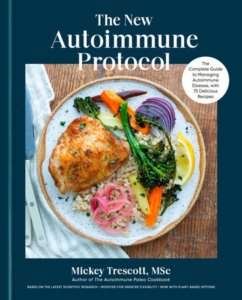
Mickey Trescott’s The New Autoimmune Protocol is the most current, authoritative resource available for AIP today. It’s the guidebook we use as the primary reference here at AIP Recipe Collection — for the website, the group, and the recommendations we share.

Pre-order now to be among the first to access this updated, authoritative guide: The New Autoimmune Protocol – learn more here

This book represents the first official update to the Autoimmune Protocol, bringing together emerging research and years of clinical feedback to make AIP more flexible, realistic, and sustainable — without losing its science-backed foundation.

What’s Inside The New Autoimmune Protocol

  • Clear explanations of the why behind the protocol
  • Step-by-step guidance through Transition, Elimination, Reintroduction, and Maintenance
  • Detailed meal plans
  • Over 70 recipes, including both Core and Modified AIP options

If you’ve ever felt overwhelmed by AIP, unsure how strict you need to be, or confused about how to move forward — this book fills in those gaps beautifully.

More From Mickey Trescott

Mickey has authored several AIP-focused books, all widely regarded as gold-standard resources for anyone navigating autoimmune disease. Her work consistently balances science, practicality, and compassion — making AIP feel doable, even when life and health are complicated.

You can find Mickey’s books in my Amazon Storefronts here: USA Canada /UK

RealPlans is one of the top resources I recommend for AIPers – it’s your perfect partner on the AIP – and WAY Better than some pre-set Meal Plan you can purchase from an AIP blogger! Why do I say that? Because with this app you get to choose meals YOU ACTUALLY WANT TO EAT! Not something that a random stranger put together for you! AND, it’s an app, a shopping list creator and it even keeps track of what you have on hand in your pantry! And did I mention it was created purposefully with AIPers in mind!?  It’s also COMPLETELY CUSTOMIZABLE, so, if you have additional sensitivities you’re working with, it helps you navigate around those ingredients with ease.
SEE HOW IT WORKS – CLICK HERE!  You can also read my in-depth review by clicking here.
Get 40% Off when you sign up for my newsletter – click here.
 
Following the AIP is about more than just diet and exercise – it’s a “lifestyle” protocol. Having the right mindset on your healing journey is imperative for success, and this book is filled with practical information, actionable steps and testimonials from people just like us who have harnessed the power of mindset to achieve more on their healing path.
CLICK HERE TO LEARN MORE & FIND OUT WHERE TO GET INSTANT ACCESS!
 
If you’re already on the AIP, you might be looking to make the transition to a modified Paleo diet … aka your Personalized AIP!  If that’s the case, congratulations, that means you’re making progress on your healing journey – I’m so proud of you!  Reintroductions can feel a little scary, but I’ve got you! Check out my reintroduction post and the Reintroduction Cookbook by Kate Jay – it’s AMAZING!  It’s actually even beneficial for new AIPers, so grab a copy – you’re going to need it sooner or later!
CLICK HERE FOR MY BOOK REVIEW & WHERE TO BUY
 
The AIP Summit is an educational event held annually in January. The week-long program is devoted to the autoimmune protocol and is presented by AIP Certified Coaches. It features cooking demonstrations, deep dives into science or specific conditions, discussions about the impact of lifestyle factors, best practices for integrating AIP into life in the real world, and more.
You can watch for FREE daily, or sign up to receive month-long access for a small fee.
CLICK TO LEARN MORE
 

Recognize Your Obstacles!

Let’s face it, on the AIP you’re giving up a LOT, and that can be hard … but don’t psyche yourself out before you get started … your success depends greatly on your own mindset! Try to focus not so much on “elimination” but on “addition” – because there are a lot of amazing foods you can add to your diet for variety, flavor and nutrient density that you will likely come to enjoy very much.

TIP: Don’t focus on the popular question: “Will I ever get to eat my favourite foods again?” Take it one day at a time … You’ve Got This!

I hear you though, I know that giving up coffee, alcohol, chocolate, bread, nightshades and more is no small feat, so I’ve got you! I have resources, answers to FAQs, enjoyable substitutes and recipes to fill your bellies, and coupon codes and links to save you money too. To get started, check out the list of quick links below for some of the most common things I hear, and BE SURE to browse through the FAQ section of my site as well.

Shopping can be hard on the AIP – there’s a lot of label reading to be done! I’ve tried to make your journey easier and provide an abundance of food sourcing resources – click here.

Preparing Your Kitchen for the AIP
Food Lists
AIP Shopping on Amazon (for the USA, Canada and the UK)
AIP on a Budget
AIP Coupon Codes

Can I Cheat on the AIP?
Can I Do the AIP as a Vegetarian/Vegan?
Chocolate – Friend or Foe? (My favorite recipe for taming the chocolate cravings – Carob Avocado Mousse – be sure to use an AIP Milk option)
Kicking the Coffee Habit (The BEST coffee substitute – Sip Herbals – it actually tastes like coffee! Save 10% with Code: AIP10)
AIP Protein Powder
Surviving Social Life on the AIP
Alcohol & The AIP
AIP Snack Guide
Breakfast – this is a biggie that I get asked about ALL the time. There are probably hundreds of recipes posted in my searchable Facebook Group – click here to join.
Nightshades – I don’t have a post on them (yet) but I will share my favorite Faux-Mato Sauce Recipe with you! 

The Truth Behind Forming Healthy Habits

It takes 21days to form a habit – really? If you’ve ever tried it, you know that’s just a myth. My training as a transformational coach confirms it .. there’s definitely more to it! Check out this amazing article by Dr. Ballantyne and set yourself up for success!  Click here to read the full article. 

Be realistic and prepare for setbacks – they’re inevitably going to happen, but they don’t need to derail you. Be sure to check out this amazing article by Angie Alt – 10 Tips for Staying On The AIP Wagon.

If you have more time for listening than reading? You may want to check out Eileen Laird’s Podcast over on Phoenix Helix – Why New Year’s Resolutions Often Fail (there’s a transcript too).

Still Want More?

Sign up for my newsletter and don’t forget to join my searchable AIP Recipe Collection Group on Facebook and follow me on Instagram and/or my Facebook page for a different kind of inspiration where I go beyond recipes and share my own meals, tips and motivation. AND don’t forget to take a look around the rest of my website – there’s so much more I don’t want you to miss (especially the FAQ’s section)! ♥
 

This post contains affiliate links.  Click here to see what that means.

If you’ve never heard the word “Hygge” before (pronounced HUE-ge), you might be curious why I’m posting about it on an AIP recipe website. Since I always intended this site to be about so much more than filling your bellies, I’m sharing this to fill your soul. Hopefully it will inspire you to make simple changes to your AIP lifestyle that can help reduce stress, decrease anxiety and disconnect from the pace of everyday life and the sometimes harsh realities of our limitations due to our illnesses.

Hygge is about joy and contentment. It is about experiencing happiness in simple pleasures and knowing that everything is going to be okay.

If you’re like me, thinking about creating a self-care routine just sounds like more work that you don’t have time for – am I right? Thankfully, the reality is that hygge can be as simple as dedicating time for yourself to enjoy any activity that makes you happy. It’s about intentional being more intentional with cozy wellness and small steps toward self-care. Snuggle up in a cozy pair of PJ’s with a warm, soft blanket and a favorite soothing drink, carve out time for art-therapy using paints or coloring books, listen to soft music, enjoy some aroma-therapy and some AIP comfort food or snacks. 

What is Hygge?

The Danish word “hygge” is about the art of getting comfy and cozy, it’s a way of life, one that makes ordinary moments feel special, pleasurable, and meaningful.

According to Meik Wiking, New York Times Best Selling author of The Little Book of Hygge: Danish Secrets to Happy Living, “Hygge is about an atmosphere and an experience, rather than about things.” It’s also about creating a comforting social and emotional environment or support network for yourself – which, if you’re paying attention you’ll know that having connection and a good support network is an important part of the AIP Lifestyle.

Benefits of Hygge

  • Calms the Mind
    Intentionally taking time to create a hygge atmosphere, get cozy and slow down is important for our mind and soul. You’ll find a sense of calm, and stress-less when you unplug and wrap yourself in the feeling of safety that this comfy lifestyle provides.
  • Relaxes Mind & Body
    Climbing under a snuggly blanket or into a hot Epsom salt bath with the intention of relaxation (not to curl up with your phone in hand) helps us to relax and unwind. Allow your cozy blanket to be the trigger that reminds you to be mindful of your breathing, to be present. Drop your shoulders and let the tension go.
  • Nourishes Your Body
    Consuming wholesome, home-cooked AIP comfort foods, and even an indulgent AIP treat now and then, nourishes your body. You’ll feel your best when you concentrate on eating “real,” nutrient-dense foods. There’s also something about cooking simple meals that really provides food for the soul – it’s reminiscent of cozy family meals growing up.
  • Promotes Connection
    Hygge isn’t about being alone, it’s about being with loved ones. Slowing down to truly connect with friends or family in a positive, comfy environment helps increase happiness and feel-good serotonin levels.
  • Relieves Strain
    Creating an atmosphere of hygge with candles or dimming the lights goes a long way to promoting relaxation and relieving tension that we may not even realize we have from the constant bombardment of blue light from devices and fluorescent lighting.
  • Improves Sleep
    Learning to hygge helps us “unplug” from our hectic lives. Practicing self-care with hygge promotes an atmosphere of comfort where we can feel relaxed and safe. Removing negative feelings and slowing down should help reduce stress hormones and help improve sleep.

How to Hygge

  • Be Present
    A hygge lifestyle is about being in the moment. Get rid of the distractions, turn off the phone and connect with friends and family or just re-connect with yourself. Learn to really relax by creating a bedtime ritual (see my post on sleep struggles for more), or create a morning routine perhaps with gentle stretching and meditation that helps you get in the zone for the day.
  • Get Cozy
    Think cozy sweaters, thick socks or slippers and warm blankets. Have you tried a weighted blanket? I hear it’s like being wrapped in a warm hug, and they can help with anxiety and stress.
  • Set the Mood
    Candles and scents are a huge part of hygge. But since we’re careful on the AIP to remove toxins from our lives, be sure to choose unscented bees wax candles, and use quality essential oils to create a luxurious atmosphere with an ultrasonic aromatherapy diffuser.
  • Quality Time
    Schedule hygge time – make it a special event – whether that be a casual dinner with friends, game night with the family, time to read a book or just relax and connect with your significant other. Carve time out of your busy life for this self-care practice, indulge in a special treat that you might not otherwise buy for yourself (check out my round up of delicious AIP snacks or try a cup of tea or AIP coffee that won’t make you wired).
  • Practice Mindfulness & Gratitude
    Mindfulness and gratitude are key elements of hygge. If you’re new to meditation and mindfulness, try using a simple app like Insight Timer (it’s free), or simply make it a practice of recounting 3 things you have to be grateful for each night before you drift off to sleep. If you’re looking for more guidance on being mindful, I highly recommend the book by Eileen Laird called “Healing Mindset”
  • Comfort Food
    And here we are – right back on track with the food and recipe theme of this website! I know you’re probably saying, “but my old comfort foods really aren’t AIP compliant!” I hear you … and quite frankly, that’s how this post actually came to being – because so many members of my AIP Recipe Collection Facebook Group requested comfort food recipes in a recent poll! Click here to reach the search results for “AIP Comfort Food” – this will get you started! Let the search results there inspire you to search for more recipes in the group.


AIP Comfort Foods – A Few Favorite Recipes

This round up was originally shared in my AIP Recipe Collection newsletter. If you want delicious AIP inspiration delivered to your inbox click here to sign up.

AIP Products & Discounts to Help You Hygge

URBAN AIP – Take a break from the kitchen and savor the comfort of AIP-compliant meals, delivered to your door. It doesn’t get cozier than this!
CLICK HERE TO SHOP: And save upto 10% with Subscription Boxes 

SIP HERBALS – There’s nothing quite like relaxing with a warm cup of your favorite beverage – try the BEST Coffee Substitute we’ve ever tasted! All the coffee feels without the flaws.
CLICK HERE TO SHOP: And Save 10% Off Every Order with Coupon Code: AIP10

PIQUE TEA – Top Quality Toxin Free Tea! (Be sure to avoid adaptogenic blends during the elimination stage of the AIP)
CLICK HERE TO SHOP

LOVEBIRD AIP CEREAL – Curl up with a bowl of AIP cereal and bring back warm memories of your childhood.
CLICK HERE TO SHOP: And Save 15% Off Every Order with Coupon Code: AIP

EAT G.A.N.G.S.T.E.R. – Delicious and Convenient AIP Elimination Stage Compliant Baking Mixes.
CLICK HERE TO SHOP: And Save 10% Off Every Order! Coupon Code: AIP10

SWEETPOTATO AWESOME – Truly awesome AIP snacks with simplest ingredients! (Shop the AIP options)
CLICK HERE TO SHOP: And Save 10% Off Every Order with Coupon Code: AIPRECIPES

WILD ZORA  – Delicious, comforting AIP meat and veggie bars, freeze-dried stews and soups, hot cereals and more!
CLICK HERE TO SHOP: And save 15% with Coupon Code: ZORAFAM15

AIP ON AMAZON – I’ve compiled lots of categorized lists for AIPers in AIP Amazon Storefronts – pantry items, snacks, treats, hard to find ingredients, books and cookbooks, AIP Lifestyle products, wellness devices and so much more!
Check them out! Click the location nearest you – USA / Canada / UK.

Looking for easy access to seasonal AIP recipes, tips and resources?
You’ve come to the right place ~ Welcome to the AIP Recipe Collection Newsletter!

Since many of you are not on Facebook (click here for the searchable AIP Recipe Collection FB Group), and we never quite know what’s going to happen with some of these social channels and their censorship, back in 2021 I decided to start my own newsletter so we can always stay in touch, and so that I can continue providing regular inspiration for your AIP (Autoimmune Protocol / Autoimmune Paleo) healing journey.

Each month I deliver delicious, seasonal recipe inspiration right to your in-box. Subscribers receive an easy list of links that take you directly to the original recipe creator’s website, AIP cooking and lifestyle tips and tools to make your healing journey easier, advance notice of sales, giveaways, discounts and more!

Sign up to get started and you’ll receive a welcome email directing you to some of the best AIP resources available to help you get started. But wait, there’s more! I also provide a link to my newsletter archives where you’ll find all of my past recipe round ups and seasonally appropriate tips and advice to set you up for AIP success. 

Enjoy! ♥

Aip recipe round up newsletter


 More Recipe Round-Ups From My Blog:

Lovebird Cereal Recipes
Plenty of Plantains – More than 200 AIP plantain recipes sorted by color!
Snack Guide

This post contains affiliate links.  Click here to see what that means.

Lovebird AIP Cereal AIPRecipeCollection

If you haven’t heard yet, there’s a new (and seriously improved!) AIP-friendly cereal in town — Lovebird Cereal! The Original Unsweetened flavor is 100% AIP Core Elimination Stage compliant, while the Honey, Cinnamon, Cocoa, and Fruity flavors are Modified AIP / Stage 1 Reintroduction compliant (read more about Modified vs. Core AIP here). But no matter which flavor you choose, they’re all 100% AMAZING!

Even better — 20% of profits go toward supporting childhood cancer research 💛 Talk about a win-win-win!

This cereal is a total game-changer for anyone with AIP kiddos (or grown-ups who still love a good crunch). Like, cerealously… what have y’all been giving your AIP toddlers to munch on with Cheerios literally off the table!?

It’s such a treat to be able to enjoy a deliciously crunchy, gut-friendly cereal as part of a well-balanced AIP breakfast — just pour on your favorite AIP milk option (click here for recipes!) and dig in. It’s also the perfect crunchy topping for a smoothie bowl or an easy, anytime snack — zero guilt required.

I’ve tried all the flavors, and picking a favorite was tough — but Fruity wins for me! Honey and cinnamon tied for a close second when snacking solo, while unsweetened is wonderfully versatile for use as a breading or crunchy casserole topping (like in my AIP Cereal-ously Crispy Baked Chicken Strips or my FAVE throwback to childhood Lovebird Cereal Cookie Clusters — a must-try!).

There are honestly oodles of creative AIP recipes using these yummy “AIP O’s,” so I’ve rounded up a bunch of them below! But first things first — you’ll want to grab a coupon code to save 15% off every order (no expiry!). It’s easy to remember — just use code AIP at checkout!

Special Offer

Save 15% Off Every Order with Coupon Code: AIP
CLICK HERE TO
SHOP

Lovebird cereal - 15% Off!, Lovebird cereal for your aip lifestyle, allergy friendly cereal

About Lovebird Cereal

♥ Gluten-Free
♥ Dairy-Free
♥ Non-GMO
♥ Sweetened by Nature – No Refined Sugar or Stevia
♥ No “Natural” Flavors or Additives
♥ Always Made with Real, Simple Ingredients

Lovebird was created to clean up junk food and offer families (especially those with AIP kiddos!) a healthy alternative to conventional cereal. And even sweeter — 20% of net profits go toward nonprofits fighting pediatric cancer 💛

Ingredient & AIP Update

Lovebird recently added buckwheat flour to some of their recipes to increase protein and nutrient density — but don’t panic! Buckwheat is a seed, not a grain, and it’s completely gluten-free.

Here’s how it breaks down:

  • 🥣 Original Unsweetened100% AIP Core Elimination Stage Compliant

  • 🍯 Honey, 🌿 Cinnamon, 🍫 Cocoa, 🍓 Fruity → Contain buckwheat, suitable for Modified AIP Elimination or Stage 1 Reintroduction

Lovebird continues to evolve and listen to its community — so whether you’re in full elimination or starting reintroductions, there’s a flavor for every AIP journey!


AIPRecipeCollection.com lovebird cereal - apple pie bars

AIP Lovebird Cereal Recipes

NOTE: Be sure to use recipes and ingredients that are suitable for YOUR personalize stage of the AIP diet.

My Easy AIP Recipes!

Chocolatey Cookie Clusters – No-Bake – Fast & Easy!
Chewy Apple Pie Cereal Bars
Cereal-ously Crispy Baked Chicken Strips 
Frozen Strawberry Delights

Lovebird AIP Recipe Round-Up:

Banana Cream Pie with Cereal Crust – use coconut oil not ghee
Campfire Banana S’mores – use homemade carob chips not chocolate chips and AIP Marshmallows 
Cereal Bars – use homemade carob chips not chocolate chips
Cereal Ice Cream Cake – use tigernut butter unless you’ve reintroduced sunflower seed butter and omit pumpkin seed topping
Chicken Nuggets (Air Fryer or Deep Fried)
Cinnamon Salted Caramel Donuts
Chocolate Cereal S’mores – use coconut oil not ghee, use AIP Marshmallows, use homemade carob bars
Chocolate Covered Cereal Bars – use tigernut butter not almond, use homemade carob chocolate 
Chocolate Crispy Squares – use tigernut butter, homemade carob chips not chocolate chips 
Coconut Matcha Pie
Chocolate Mousse Pie
Crispy Cereal Treats – use AIP Marshmallows and homemade carob chips
Crunchy Cookie Cake Cereal Fudge Bars – use coconut oil not ghee, use an homemade AIP Baking Powder blend, use homemade carob chips/bar, use carob not cacao
Donut Cookies
Elivs Butter Jelly Crunch Nice Cream – use tigernut butter 
Graham Crackers
Granola – ensure dried fruits are unsulphured and do not contain non-compliant oils/preservatives/sweeteners
No-Bake Snack Bars – omit seeds, ensure dried fruits are unsulphured and do not contain non-compliant oils/preservatives/sweeteners
No-Bake Strawberry Shortcake Cheesecake
No-Rice Crispy Treat “Sushi” – use tigernut butter not nut butter, use carob powder not cacao
Puppy Chow Mix – use tigernut butter and homemade carob chips
Ranch Chicken Nuggets
Samoa Cereal Bars – use tigernut butter not nut/seed butter, use homemade carob chips/bar
Strawberry Shortcake Puppy Chow

Lovebird Cereal Whole Food Ingredients AIPRecipeCollection.comIngredient FAQs

Cassava – Lovebird uses Organic Cassava Flour NOT grain or tapioca.  Industrialized grains and refined carbohydrates like corn, oats, wheat were clearly off the table because they cause inflammation that can damage the lining of your gut and stress your immune system. 

However, there was a decision of Cassava Root vs. Tapioca.  Cassava is meaningfully better but it’s 33% more expensive than tapioca.  So it’s a decision to use the best ingredient or the cheap ingredient – Lovebird will ALWAYS choose the best. 

Lovebird uses organic cassava because it uses the entire cassava root, meaning it is a whole food flour.  Unlike tapioca flour, cassava flour uses the entire root; so cassava keeps the fiber, protein, starch, vitamins, and minerals that would otherwise be lost in making tapioca flour.  Cassava flour is a good source of prebiotic fiber and is a rich source of nutrients compared to many other starches: vitamin C, vitamin A, vitamin K, and folate. 

Some have asked about lead levels in the Cassava that Lovebird uses, so we want to assure you that 1) Lovebird tests for heavy metals and as of the time of writing uses Medallion Labs, 2) Lovebird selects suppliers that follow California’s Prop 65 guidelines (which is the leader in the USA) with third-party testing for heavy metals, and as mentioned above is certified USDA organic. They use a specific formula which you can learn more about here.  

Collagen – Lovebird uses grass-fed, pasture-raised collagen to help boost gut health and provide protein.  Collagen is the most abundant protein in our bodies and holds everything together.  The word collagen literally means “glue” in ancient Greek.  Collagen supplementation has been shown to improve bone, joint, tendon, skin, muscle, and cardiovascular health.  

Given the rise in popularity, not all collagen is created equal. Parker at Lovebird spent a lot of time researching suppliers and questioned their processing techniques to ensure that their collagen was effective and safely processed.  The collagen Lovebird uses is of the best quality and safest processing techniques they could find.  The collagen is from grass-fed and grass finished cows that have eaten nothing but grass and foraged their entire lives.  It is heavy metal tested, pasture-raised, Kosher, hormone free, pesticide free, Non-GMO, antibiotic free, RBGH-RBST free, and does not use any carriers or solvents.

Sweeteners – Lovebird uses nature to lightly sweeten – NOT science.  Honey is an ancient nutrient-rich superfood with healing properties.  Honey has anti-diabetic effects that help control blood sugar, antimicrobial properties that help kill bad bacteria, prebiotic properties that help boost gut health, and cardiovascular benefits that help reduce blood pressure.  You may walk around grocery stores and see claims of “made with real honey” don’t fall for that marketing “trick”.  In fact, products only need a very small amount of honey to use that claim.  When you check the ingredient label, you will find a whole gang of “sweeteners” that are actually driven the sweetness such as refined sugar, “natural” flavors, and natural/artificial high potency sweeteners. 

Refined sugars and artificial sweeteners drive inflammation and wreak havoc on your health making it easy to avoid using in the recipe.  However, “natural” flavors and “natural” high potency sweeteners sound innocent – right?  Not exactly and they are often FAR from “natural”.

Natural flavors are defined “as those that derive their aroma or flavor chemicals from plant or animal sources that are manipulated in a lab.  In short, they are engineered to not just replicate those “aromas or flavors” but amplify those sensations to trick your body to eat more.  Legally, a “natural” flavor can contain up to 20 different ingredients/chemicals/stuff.  Nobody really knows what’s in these “lab manipulated” chemistry experiments.

High potency sweeteners such as Stevia and Monkfruit are certainly better than refined sugar – BUT – Lovebird avoids them because they are a “trick”:

  1. Designed to trick your body: our bodies are not designed to handle calorie-free sweeteners.  Experiencing a sweet taste from a food that is not going to provide glucose disrupts our body’s sugar-handling process and damages our health.
  2. Created in laboratories: Lovebird prefers chef aprons to science lab coats.  Stevia/Monkfruit can contain many other ingredients to boost sweetness and fuel cravings.  
  3. Can cause digestive discomfort:  it’s very easy to consume too much given that it’s designed to trigger cravings but not satisfy them which can cause bloating and diarrhea.
  4. No real research on their effects: all of the above combined with limited to no research on the negative effects of Stevia causes Lovebird to stay away.

Buckwheat – Lovebird recently added organic buckwheat flour to some of their recipes to boost protein and nutrient density. Don’t worry — buckwheat is a seed, not a grain, so it’s naturally gluten-free and AIP-compatible for Modified Elimination or Stage 1 Reintroduction.

Buckwheat is a nutritional powerhouse. It’s rich in protein, fiber, and essential minerals like magnesium, manganese, and zinc. It also contains antioxidants that support overall gut and immune health. Including buckwheat helps create a more balanced nutritional profile for the cereal, providing sustained energy and helping to make each bowl more filling — especially important for growing kids or anyone needing a convenient, nutrient-dense breakfast.

Some people worry about grains when they hear “buckwheat,” but it’s important to remember that buckwheat is a seed, so it doesn’t trigger the inflammatory responses often associated with grains like wheat, oats, or corn. For those on full AIP elimination, the Original Unsweetened option remains 100% compliant, while flavors with buckwheat can be safely enjoyed during Modified AIP Elimination or Stage 1 Reintroduction.