Gelatin vs. Collagen

This post contains affiliate links. Click here to see what that means.
Gelatin vs. Collagen – what’s the difference!?
If you’re new to AIP, collagen and gelatin can feel like one of those “wait…aren’t those the same thing?” rabbit holes … and wait … what about hydrolyzed collagen, collagen hydrolysate and collagen peptides! Oh my!
Great Lakes Gelatin Co. is a perfect example. They make both gelatin and collagen, and the packaging can trip people up. I’ve even seen recipe creators accidentally link the wrong one—so frustrating when you’re just trying to follow along. (I hate it when that happens!)
So indulge me and let’s geek out a little so we’re all armed and know exactly which product to use when.
What’s The Difference Between Collagen & Gelatin?
Gelatin = gels
Collagen = dissolves
The more scientific explanation is this:
Collagen vs Gelatin:
- Gelatin = partially broken down collagen (heat-processed collagen, gels when cooled)
- Hydrolyzed collagen / collagen hydrolysate / collagen peptides = fully broken down collagen (same thing, different naming conventions, does NOT gel when cooled)
Now, back to the easy stuff ….
The major difference is how you consume them. In a nutshell, gelatin gels – collagen does not – so you choose your product based on how you’re trying to use it / what you’re trying to accomplish.
Gelatin is usually only soluble in hot liquids and is typically used for things that jiggle – think AIP Jello, marshmallows, gummies and gelatin egg substitutes (read more about egg replacements here). Collagen on the other hand will dissolve in hot or cold mixtures, making it ideal for use in beverages, smoothies, soup, sauces and even baked goods (it’ll also help you up your protein content, keep reading).
Both are almost completely odorless and flavorless, so you can add them easily to beverages without effecting the taste. This is important when it comes to a question that I get asked ALL-THE-TIME – “What Protein Powder Can I Use on the AIP?” – You can read my post on that as well – click here.
When it comes to the health benefits, gelatin and collagen are very similar in amino acid profile, especially rich in glycine and proline, though collagen peptides are further broken down for easier absorption.
On a healing diet, collagen and gelatin are important for a variety of reasons:
- May help support digestion and gut barrier function
- Supports joint, bone, and connective tissue health
- May support skin elasticity and reduce the appearance of dryness or roughness
- Often noted for supporting healthier-looking hair and nails
Want the complete 411 on Collagen and Your Health? Check out this amazing article from my partners at Perfect Supplements – click here.
Are There Any Substitutes?
I get SO many questions about making substitutions in AIP cooking and baking that I’ve written a full post on it – you can check it out by clicking here.
There really is no cut and dried answer as you learn from my post, BUT I’ll cover a couple of basics here as they pertain specifically to gelatin and collagen.
Typically when I get questions about gelatin or collagen substitutes its because someone is sensitive to beef or pork, or they’re trying to do the AIP as a vegetarian or vegan (please read more about the AIP and vegetarianism/veganism here).
If this is the case for you, there are a couple of limited options – but options none-the-less! You can find collagen derived from sea vegetables and you can use Agar Agar powder or flakes (also derived form sea vegetables) in place of gelatin! (Read more about how to use Agar Agar in my post about egg replacements.)
Check out my AIP Amazon storefronts to find these products: USA, Canada or the UK
What About Bone Broth?
What about bone broth, what’s the difference between bone broth, collagen and gelatin?
Bone broth is considered a whole food that contains gelatin (which comes from the breakdown of collagen) along with a variety of other naturally occurring healing compounds including: bone marrow, hyaluronic acid, chondroitin sulfate, calcium, phosphorus, magnesium, and potassium.
Bone broth is made from, you guessed it, bones! Traditional bone broth often includes bones, connective tissue, and sometimes skin or joints depending on the recipe (some recipes call for chicken feet, joint tissue, and cartilage). Collagen and gelatin, on the other hand, are typically made from animal hides, which gives them a slightly different amino acid profile compared to bone broth.
In general, collagen and gelatin are considered supplements and would be used in addition to bone broth on your healing diet.
- Bone broth → whole food, variable protein
- Gelatin → gels, cooking applications
- Collagen peptides → mixes easily, daily supplement
What Brand Do You Recommend?
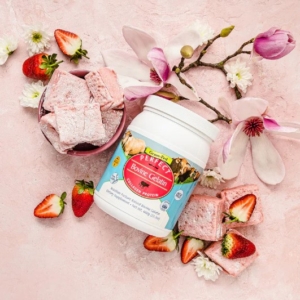 Perfect Supplements carries a fantastic line up of products, including Grass-Fed and Pasture Raised Bovine Collagen and Gelatin, powdered bone broth (LOVE IT!) liver powder and capsules (these helped me through my worst nutritional crisis), coconut oil and so much more. They also carry a lot of quality supplement brands I personally trust.
Shopping Tip: My coupon is STACKABLE on volume disocunts!
Where to buy: This brand is pretty readily available in health food stores, quality grocers, in my AIP Storefront on Amazon: USA, Canada or the UK
Take Me To The Recipes!
Now that you know the difference, it gets a whole lot easier to choose what actually works in your kitchen (and avoid the label rabbit holes altogether).
Ready to start incorporating collagen and gelatin into your daily AIP healing journey? Use the search feature in our Facebook Group for recipes like: smoothies, gummies, Jello, marshmallows and more. Simply try searching the group for collagen or gelatin.