Seafood and the AIP

This post contains affiliate links. Click here to see what that means.
Discussion about fish and seafood often comes up in my AIP Recipe Collection Facebook Group. What kind of tuna should I use? Is tilapia okay? How much should I eat? Is it possible to eat too much seafood? I heard mercury is a concern with seafood, should I avoid it on the AIP? What about farmed?
Why Seafood Matters on the AIP
Seafood is one of the most nutrient-dense foods you can include in your AIP diet. Fish and shellfish provide high-quality protein along with nutrients such as omega-3 fatty acids, vitamin B12, vitamin D, selenium, iodine, zinc and other vitamins and minerals.
Fatty fish such as salmon, sardines and mackerel are particularly good sources of EPA and DHA omega-3 fatty acids. But that doesn’t mean you need to eat only fatty fish—or that more expensive wild-caught seafood is the only healthy choice.
There is a lot of fear and misinformation surrounding seafood, from concerns about farmed fish to worries about mercury. Some of those concerns are worth understanding, but they don’t make seafood a food to avoid. The goal is to choose a variety of seafood that works for your health, your preferences and your budget.
Wild-Caught vs. Farmed Seafood
If you have the choice, should you always buy wild-caught seafood? Not necessarily.
Wild-caught fish can be an excellent choice, but farmed seafood isn’t automatically unhealthy, unsafe, or “dirty.” The nutritional value of farmed fish varies depending on the species and how it is raised, just as the nutritional and environmental qualities of wild-caught fish vary depending on the species and where and how it is caught.
I personally prefer wild-caught when it’s available and fits my budget, but I don’t think you should avoid seafood simply because it is farmed. If farmed fish is what you can afford, eat the fish! Aquaculture now supplies more than half of the seafood produced for human consumption, and both farmed and wild-caught seafood can provide high-quality protein, omega-3 fats, vitamins and minerals.
What about tilapia?
Tilapia gets a particularly bad rap online. You’ll often hear that it is a “dirty” fish or that it shouldn’t be eaten because it is farmed. That’s an oversimplification.
Tilapia is a mild, affordable source of protein and is classified by the FDA as a Best Choice when it comes to mercury exposure.
That doesn’t mean every tilapia operation is identical or that you have to eat it. If you prefer wild-caught fish, can afford it, and have good options available, that’s great. But there’s no reason to consider farmed tilapia automatically off-limits on the AIP.
What about sustainability?
This is where things get a little more complicated. Wild-caught isn’t automatically sustainable, and farmed isn’t automatically unsustainable.
Sustainability depends on the species, where it comes from, and how it was caught or farmed. Some wild fisheries are very well managed, while some fishing practices can have significant impacts on other wildlife and marine habitats. Aquaculture also varies widely, with factors such as feed, disease, escapes, habitat impacts and farming practices affecting its environmental footprint.
If sustainability is important to you, check the source of your seafood rather than assuming “wild” or “farmed” tells you everything you need to know. Seafood Watch is a useful resource for checking specific species and sources and offers recommendations for both wild-caught and farmed seafood.
How Much Seafood Should You Eat?
There isn’t a specific amount of seafood you have to eat to follow the AIP. Rather than worrying about hitting a particular number, aim to include seafood regularly and choose a variety of fish and shellfish.
Fatty fish such as salmon, sardines and mackerel are especially valuable sources of EPA and DHA omega-3 fatty acids, while other fish and shellfish provide a wide range of protein, vitamins and minerals.
As a general benchmark, the Dietary Guidelines for Americans recommend at least 8 ounces of seafood per week for a 2,000-calorie diet. You don’t need to meet that number perfectly to benefit from including seafood in your diet.
Can You Eat Too Much Seafood?
Yes, but it depends on what you’re eating.
Seafood can be an important part of a nutrient-dense AIP diet, but eating large amounts of the same fish, particularly larger, longer-lived predatory fish, can increase your exposure to mercury. Nearly all fish and shellfish contain at least trace amounts of methylmercury, but levels vary considerably between species.
This doesn’t mean you need to avoid seafood. Variety is your friend. Choose different types of fish and shellfish, and favor lower-mercury choices more often. (If you eat seafood frequently, the FDA recommends choosing from its Best Choices list.)
For example, if you eat tuna regularly, vary the type you choose. Canned light tuna (which includes skipjack) is a Best Choice, while albacore (white) and yellowfin tuna are Good Choices. Bigeye tuna is one of the higher-mercury fish on the FDA’s list.
You may have heard that “selenium trumps mercury.” This idea comes from the fact that selenium, a mineral found in many types of seafood, can interact with mercury in the body and may reduce some of mercury’s toxic effects. While this is an interesting and important part of the mercury discussion, it doesn’t mean that selenium makes mercury harmless or that we can ignore the amount of mercury in a particular fish. Selenium is one piece of the picture—not a free pass to eat high-mercury fish without limits.
The bottom line? Don’t be afraid of seafood—but don’t eat the same high-mercury fish every day, either.
Seafood Is a Great Source of Omega-3s
One of the reasons seafood is encouraged on the AIP is its omega-3 content. Fatty fish such as salmon, sardines, herring and mackerel are particularly good sources of the long-chain omega-3 fatty acids EPA and DHA.
While you can get omega-3 fats from other foods, seafood is one of the best dietary sources of EPA and DHA. If your diet is heavy on land-based meats and doesn’t include much seafood, adding fish or shellfish is an easy way to increase your intake of these important fats.
Not into some of these oily fishes you find in a can? Bear with me, I’ll share some recipes to try!
Sea Vegetables: Small Foods, Big Nutrition
Sea vegetables are incredibly nutrient-dense and provide a wide variety of vitamins and minerals, including iodine, calcium, magnesium, iron, potassium, selenium and zinc. They also contain fiber and a number of beneficial plant compounds.
Not all sea vegetables are the same, so I recommend choosing a variety. Some of my favorites include wakame, nori, kombu (kelp), arame and dulse.
One thing to keep in mind is iodine. Sea vegetables can be an excellent source of iodine, but the amount varies considerably between types, with kelp and kombu being particularly high. You don’t need large amounts to benefit from sea vegetables, so variety is a good approach.
I also recommend choosing sea vegetables from reputable sources that test for heavy metals and other contaminants. Hijiki is one seaweed I would avoid, as Health Canada and the Canadian Food Inspection Agency advise against eating it because it can contain significantly higher levels of inorganic arsenic than other seaweeds.
I have some AIP-friendly sea vegetables and other products in my AIP Storefronts on Amazon linked here (scroll to the bottom).
Seafood Can Help Fill Nutritional Gaps
Seafood can be especially valuable for people who don’t eat liver or other organ meats. While organ meats are exceptionally nutrient-dense, seafood provides many important nutrients that can help build a nutrient-dense AIP diet. A varied diet that includes seafood and plenty of vegetables can therefore provide a broad range of nutrients, even if organ meats aren’t part of your diet.
More About Seafood
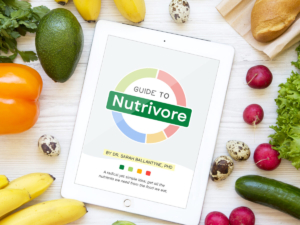
For a deeper dive (pun intended) into the nutritional benefits of seafood, I recommend Dr. Sarah Ballantyne’s Nutrivore Seafood guide. It covers the nutrients found in fish and shellfish, the benefits of different types of seafood, and includes a wide variety of examples.
Reliable Seafood Sources:
ButcherBox carries quality, sustainable salmon, scallops and lobster. Grab the latest subscription box promotion here / or a one-time gift box here (available in the USA only at this time).
truLOCAL, locally sourced, frozen seafood is available in Canada – click here.
US Wellness Meats has a variety of options – click here
AIP Recipe Collections Storefronts on Amazon has some carefully chosen canned fish recommendations and more! – click here.
SAVE with coupons from our affiliates – grab the current codes here.
Dive Into the Details:
Since I see no reason to re-write well-written and thoroughly researched articles, I’ll simply refer you to a few of the sources I’ve personally found helpful.
5 Reasons Why Concerns About Mercury in Fish Are Misguided – Dr. Chris Kresser
Does Healthy Sustainable Seafood Exist – Eileen Baird of Phoenix Helix
The Truth About Tilapia – Paleo Hacks
Tuna Tracking & Verification Program and Monterey Bay Seafood Watch – great resources for helping people make better seafood choices for a healthy ocean
Seafood Recipes:
If you’ve never been a fan of fish or seafood, or you’re intimidated to try cooking it, I want to reassure you that there’s nothing to fear! There are LOTS of amazing fish, seafood and shellfish recipes posted in my searchable AIP Recipe Collection Facebook Group – click here to join.
If you’re not on Facebook, here are a few great recipes to get you started:
Ginger Baked Salmon – My FAVORITE! It’s easiest recipe ever and you’ll have dinner on the table in 20mins! I cook a sheet pan of leafy greens and carrot ribbons or bok choy at the same time (just drizzle with olive oil, sprinkle with salt and powdered ginger)
Lemon-Dill Poached Salmon – Fast and easy!
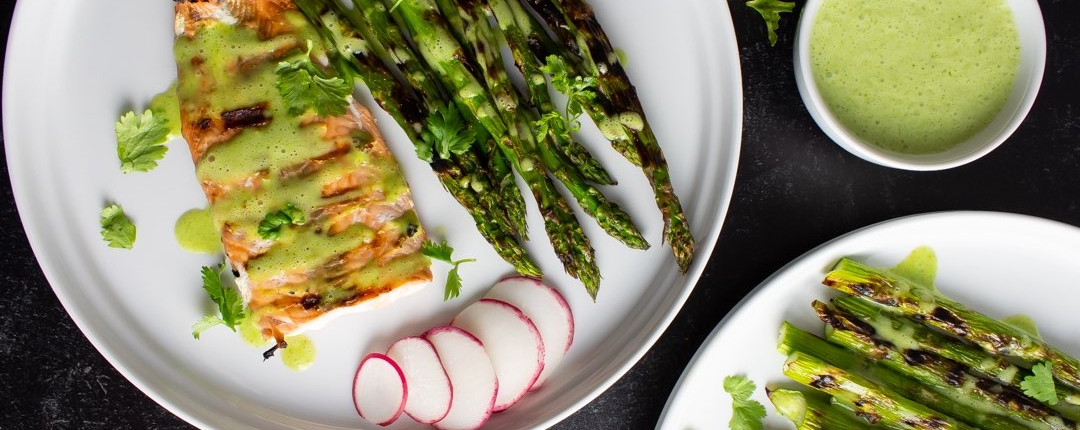
15-Minute Grilled Salmon & Asparagus with Cilantro-Lime Sauce – so easy!
Halibut Coconut Milk Stew with Roasted Squash – I used frozen halibut for this recipe and it was delicious! (Be sure to use additive-free coconut milk and ensure your fish sauce is compliant – Red Boat is most commonly recommended, or use Coconut Aminos like I did – NOTE: soy sauce is not an option on the AIP)
Tandoori Shrimp and Kale Bowl with Cauliflower Coconut Rice and Raita Sauce – a bit of work, but totally worth the effort!
Lemon Ginger Stir-Fry – Try it with shrimp!
Shrimp Scampi – So simple! Sometimes I get lazy and just cook with olive oil or coconut and salt (if you go the lazy route, salt is very necessary as it helps give that buttery flavor you’re used to with traditional scampi)
No Mayo Tuna Salad – I make this chicken salad recipe with tuna instead
Superfood Sardine Salad – for people who hate sardines! – I love this served on SweetPotato Awesome slices – shop here and get a 10% discount with code: AIPRECIPES
Zucchini Noodles with Baby Scallops and Bacon (Ensure your bacon is compliant – read more about that here)