What About Elderberries on the AIP?
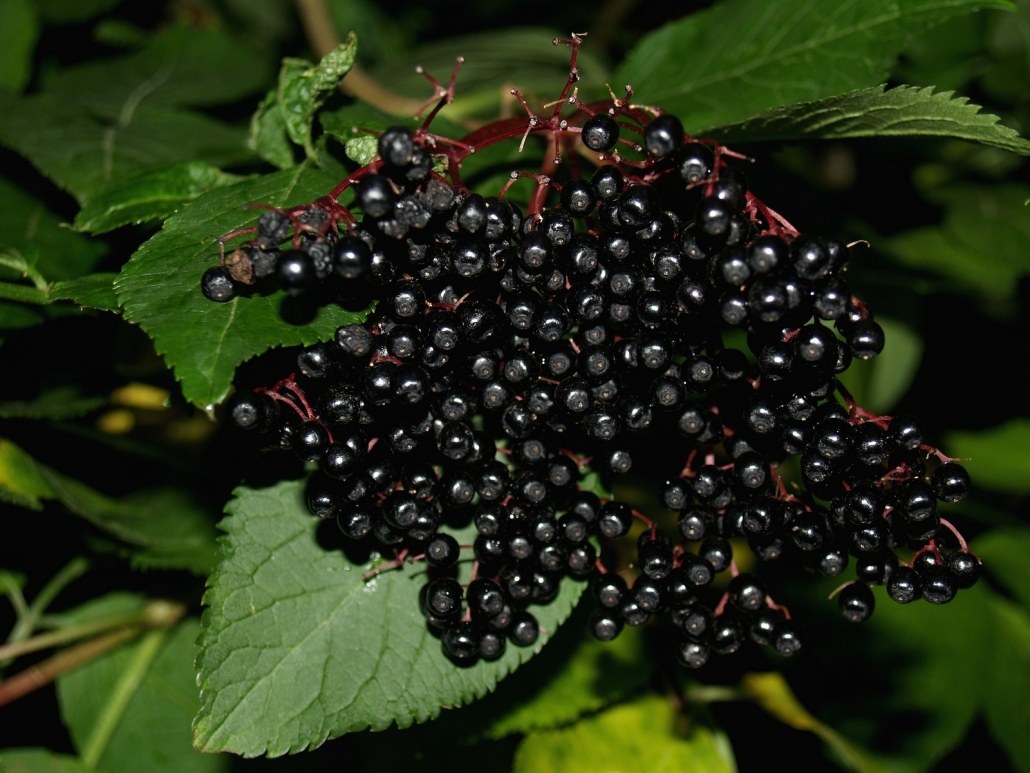
What about elderberries on the AIP? This is one HOT topic! Any time I’ve ever posted an elderberry recipe in the midst of AIP followers I get lambasted with a barrage of comments that elderberries are NOT compliant, they’re dangerous, and have I lost my mind!?
Well, first of all, in my own defense, no, I’ve not lost my mind – if you reference the original AIP food lists from Dr. Sarah Ballantyne for the AIP, elderberries are on the approved list, under berries!
Add to that the fact that our family has grown and used them for years to support the immune system! We LOVE them, and elderberry syrup can be a great thing when you’re run down or feel a cold or flu coming on.
So, what’s all the hub-bub about? Yes or No for AIP?
Where Do Elderberries Stand Under the New AIP Framework?
Under current Autoimmune Protocol (AIP) guidance led by Mickey Trescott—including updates outlined in her book The New Autoimmune Protocol—the official stance on elderberries breaks down into clear guidelines:
-
Elimination Stage Status
-
Strictly Speaking: Elderberries are botanical berries, so strictly from a culinary and food-group classification standpoint, they are considered AIP Elimination Stage-compliant (unlike nightshades or seed spices).
-
The Clinical Nuance: While technically compliant on the food list, modern AIP practitioners emphasize that elderberry acts more like a medicinal herb/immunomodulator than a routine food. Because it stimulates certain immune pathways (like Th1 cells and pro-inflammatory cytokines such as TNF-alpha and IL-6), caution is recommended.
-
-
Modern AIP Core vs. Modified AIP Framework
-
In the updated AIP framework, there are two entry points: Core AIP (the classic strict elimination) and Modified AIP (which allows gentle additions like rice, ghee, seeds, and legumes).
-
Important Note: While Modified AIP opens up more food groups, herbal immunomodulators (like elderberry, echinacea, or astragalus) operate on immune pathways rather than macronutrient digestion. Therefore, elderberry is approached as a targeted botanical reintroduction under both Core and Modified protocols.
-
-
Best Practice Recommendations for AIP Followers
-
Personalized Trial: Individuals in clinical remission or experiencing minimal active flare symptoms can test elderberry in low doses (e.g., short 3 to 5-day protocols during early cold/flu onset) while closely monitoring for symptom changes.
-
Active Flares / Immunosuppressants: Anyone experiencing an active autoimmune flare or taking prescribed immunosuppressive medications should avoid concentrated elderberry tinctures or high-dose extracts, as immune-modulating herbs can counteract medication or trigger a flare.
-
The takeaway? Treat elderberries as an individual reintroduction to test cautiously. Each person’s body will react differently, so watch for symptoms and work with your medical professional if you’re uncertain. (DISCLAIMER: I’m not a doctor, so please work with your medical practitioner on this if you’re at all uncertain).
Health Benefits & Science
Feeling up to some additional reading?
GreenMed Info – “Top Four Antiviral Benefits of Elderberry“
Global Healing – “Elderberry & the Immune System: A Powerful Combination”
AIP Recipe Collection – “Navigating Cold & Flu Season on the AIP”
Nutrivore – Nutrient Information about Berries
What about the “Cytokine Storm” debate?
If you researched elderberry around 2020, you likely saw scary headlines about “cytokine storms.” Here is what clinical trials show: elderberry increases immune signaling proteins (cytokines) by 2 to 6 times to help mobilize white blood cells against early viral infections. Comprehensive scientific reviews have since confirmed that standard herbal supplementation does not trigger a systemic hyper-inflammatory “cytokine storm” (which involves a catastrophic 1,000x+ cytokine spike seen in severe medical emergencies). However, because it activates Th1 and Th17 pathways, caution is still warranted if your immune system is currently flaring or overactive.
To read more about how elderberry interacts with the immune system, check out the clinical research on PubMed.
Elderberry for Immune Support
If you’re under the weather and searching for remedies online, you’ll likely find lots of recipes out there for sambuca / elderberry syrups, candies and more. If you’ve attempted an elderberry reintroduction and don’t have any issues with it, just be aware of ingredients in store-bought products, as they typically contain plenty of inflammatory sweeteners—or added prebiotic fibers like inulin and chicory root, which can trigger severe bloating if you have active gut dysbiosis or SIBO.
So as not to leave you hanging, you can make your own immune boosting syrup (see recipes below) for cold and flu season! I used to use it frequently. You can also find plenty of recipes in my searchable Facebook Group – click here to join and use the group search for terms or hashtags like “under the weather” or “sick soup.”
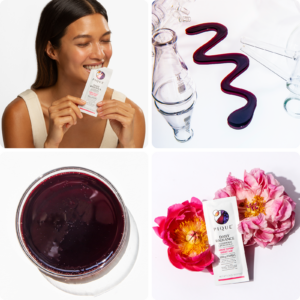 If you’re looking for a convenient, quality alternative, I recommend checking out Elderberry Liposomal Vitamin C from my partners at Pique.
While I haven’t tried it yet, it sounds like an amazing product! I reached out to the company to verify their standards, and I love that they focus on non-GMO, high-quality sourcing without relying on artificial preservatives, refined sugars, or harsh fillers.
Why you might consider trying it:
- Liposomal Vitamin C supports healthy collagen levels and can increase beneficial gut microbes, which help support strong immunity [1]
- Vitamin C can increase Bifidobacterium levels, which is associated with improved immunity [2]
- Elderberry superfood complex helps combat sun damage
- Polyphenols in European black elderberries provide a food source for Akkermansia, a bacteria that supports metabolic and immune health
- Maximized for Absorption™ with liposomal encapsulation
- Antioxidants help smooth and brighten skin from the inside out
- 7 clean ingredients with ZERO preservatives, refined sugar, or additives
(As with all products, please scrutinize the ingredient list and consult your medical practitioner to decide if it’s right for your stage of your personal healing journey).
Recipes
Since I don’t want to cause any confusion to newbies on the AIP, I refrain from posting elderberry recipes over in the AIP Recipe Collection Facebook Group, but I will provide some right here!
IF you find your body doesn’t react poorly to elderberries (be sure to read above), here are a few recipes you may want to try on your AIP journey.
NOTE: since elderberries are NOT sweet at all, most recipes call for a LOT of sugars/sweeteners! I recommend reducing sweeteners to taste.

Photo: © Coconut Mamma
Elderberry Syrup and Gummies (uses fresh or dried elderberries) – I’ve used this recipe and added cinnamon to my gummies – they were very tasty!
Elderberry Syrup (uses fresh elderberries – use honey NOT sugar for AIP)
Elderberry Syrup (uses dried elderberries) –
Elderberry Syrup (uses dried elderberries – omit star anise for AIP elimination stage)
Elderberry Shrub (uses dried elderberries – use honey or maple syrup NOT organic sugar for AIP)
Elderberry Tea (uses dried elderberries)
Elderberry Tea (uses dried elderberries – omit cardamom and use honey NOT stevia for AIP)
Elderberry Jam (use the date syrup mentioned for AIP, NOT a low-carb sweetener)
Elderberry Pomegranate Gummies
Elderberry Popsicles
___
* Research References:
1. https://pubmed.ncbi.nlm.nih.gov/36475828/
2. https://www.mdpi.com/2075-4426/12/9/1479